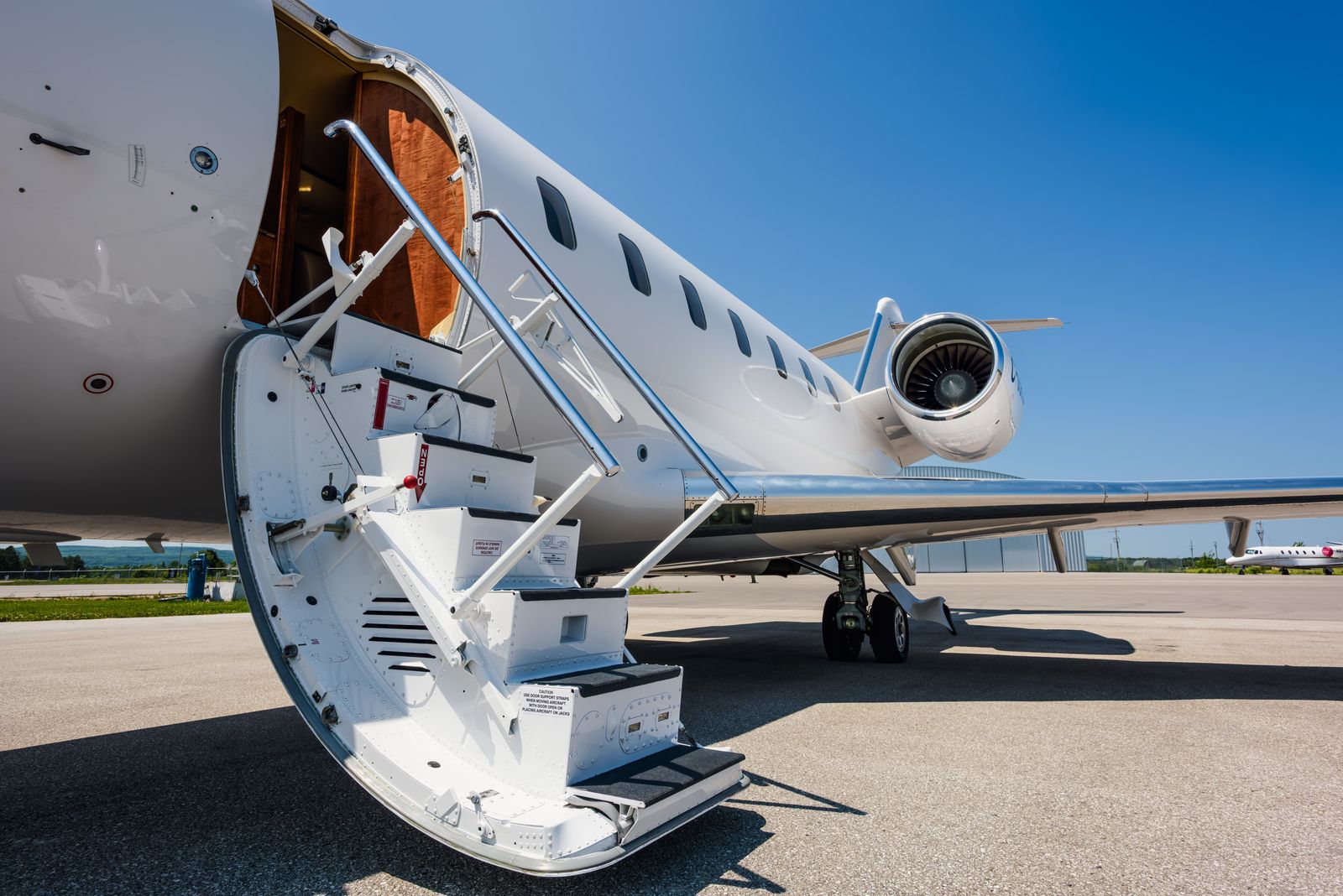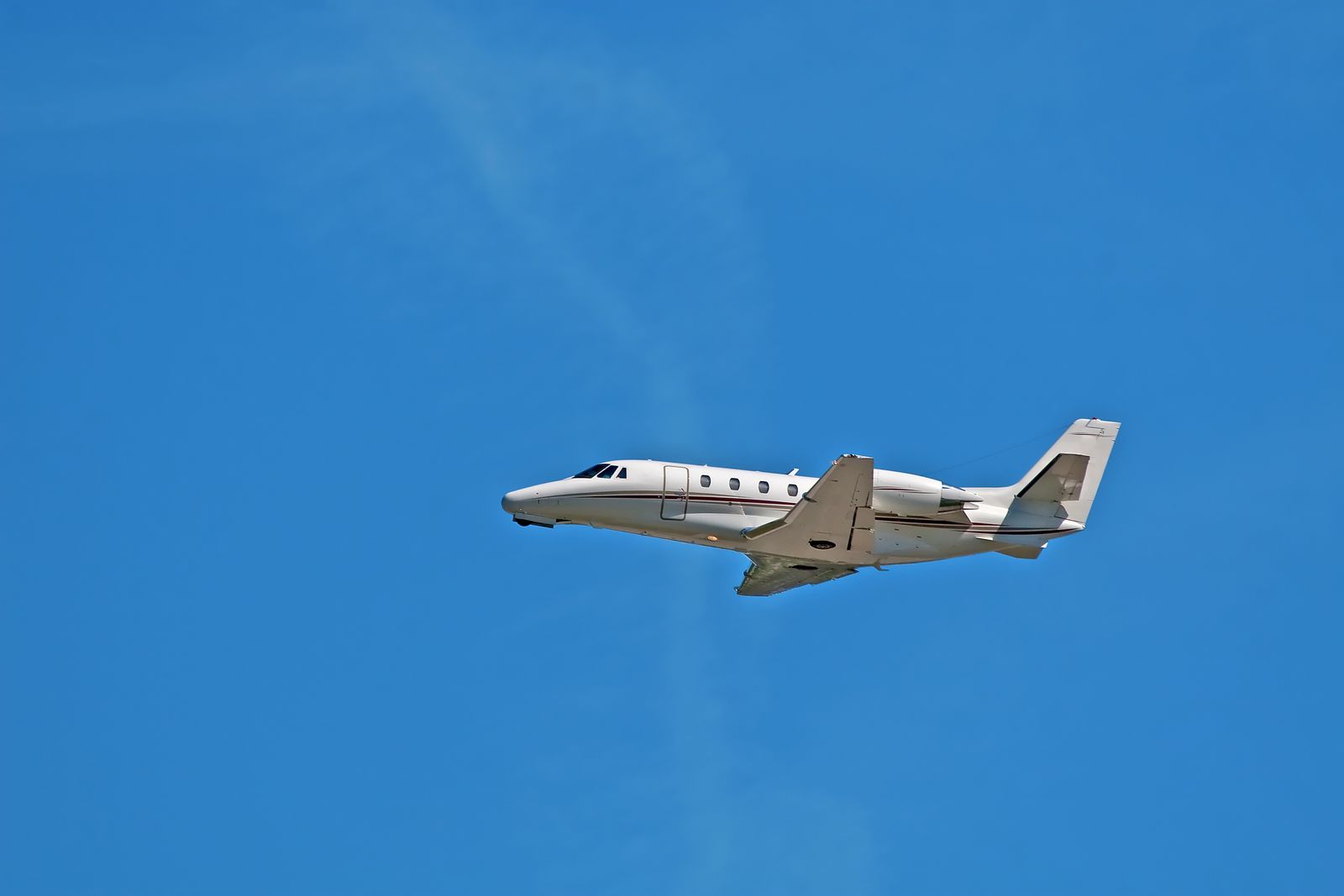
Asking how much to buy a private jet is a bit like asking the price of a custom-built home—it depends entirely on the size, location, and finishes. The private jet market is just as varied, with prices ranging from a couple of million for a pre-owned model to over $80 million for a new global jet. The final cost is shaped by the aircraft's age, brand, size, and customizations. This guide will demystify the pricing, breaking down the costs by jet category and explaining the significant annual expenses that follow, giving you a clear and comprehensive understanding of the total investment required.
Key Takeaways
- Budget for More Than Just the Jet: The purchase price is only the beginning. Your true cost of ownership includes annual expenses for maintenance, crew, and fuel, which can easily exceed a million dollars per year.
- Match the Aircraft to Your Mission: Avoid buying more jet than you need by first defining your typical travel patterns. A clear understanding of your passenger load and flight distances ensures you choose an aircraft that's efficient for your specific needs.
- Explore Smarter Ways to Fly Private: Full ownership isn't for everyone. Alternatives like on-demand charters and jet cards offer all the luxury and convenience of private travel without the significant financial and operational responsibilities of owning an aircraft.
How Much Does a Private Jet Cost?
So, you're thinking about buying a private jet. The first question on everyone's mind is, naturally, "How much does it cost?" The answer is a bit like asking the price of a house—it varies dramatically. A private jet's price tag can range from a couple of million dollars for a pre-owned light jet to well over $100 million for a brand-new, ultra-long-range aircraft. But the initial purchase price is only one piece of the puzzle. To get a clear picture, you need to consider whether you're buying new or used, the size and type of the aircraft, and the significant ongoing costs that come with ownership. Let's break down what you can expect to invest, from the sticker price to the annual expenses that keep your jet in the air.
New vs. Pre-Owned: The Price Difference
One of the first decisions you'll face is whether to buy a new or pre-owned jet. A factory-new aircraft comes with the latest technology, a full warranty, and that unmatched "new plane" smell, but it also carries the highest price tag. On the other hand, the pre-owned market offers a much lower point of entry. You can find perfectly capable jets for a fraction of their original cost. However, it's important to remember that initial savings can sometimes be offset by higher long-term expenses. Older jets may require more frequent maintenance and costly upgrades to stay current, so a thorough pre-purchase inspection is non-negotiable when you decide to buy a jet.
Jet Prices by Category
Private jets are grouped into categories based on size and range, and their prices reflect that. A new light jet, perfect for shorter regional trips, might start around $3.5 million. At the other end of the spectrum, a large, brand-new global jet can easily exceed $80 million. Most of the market, however, falls between $5 million and $30 million. The pre-owned market opens up even more possibilities, with some older, smaller jets available for under $2 million. Exploring the different types of aircraft available will give you a better sense of which category aligns with both your travel needs and your budget, from nimble light jets to spacious heavy jets.
Beyond the Sticker Price: Hidden Costs
The purchase price is just your ticket to entry; the true cost of ownership includes a host of annual expenses. You should plan on budgeting anywhere from $500,000 to over $1 million per year for operating costs alone. This covers everything from fuel and routine maintenance to crew salaries, insurance, and hangar fees. A single, major inspection can run into the hundreds of thousands of dollars, especially on older aircraft. These ongoing expenses are a significant financial commitment, which is why many people compare the cost of ownership to the flexibility of on-demand charters before making a final decision. It’s essential to factor these recurring costs into your overall budget from day one.
How Jets Depreciate in Value
Like cars and yachts, private jets are depreciating assets. The moment a new jet leaves the factory, its value begins to decrease. This depreciation is a significant, though often overlooked, part of the total cost of ownership. The rate at which a jet loses value depends on several factors, including its age, model, maintenance history, and overall market demand. While a well-maintained aircraft from a reputable manufacturer will hold its value better than others, you should still anticipate a decline over time. Understanding the depreciation curve is a critical part of making a sound financial decision and is a key consideration in private jet financing and long-term asset management.
What Determines a Jet's Price Tag?
When you start looking at private jets, you'll quickly see that prices can vary dramatically. The final sticker price isn't just about size or speed; several key factors come into play. Understanding these elements will help you make a more informed decision, whether you're seriously browsing the market or just curious about the world of private aviation. From the jet's history to its bespoke features, each detail contributes to its final value. Let's break down what really drives the cost of a private jet.
Aircraft Age and Condition
Just like with cars, a private jet's age and condition are major price drivers. A brand-new aircraft will always come with a premium price, but a pre-owned jet can be a fantastic value, often costing 20% to 50% less. However, an older jet might come with higher maintenance and upgrade costs down the line. It's a balancing act between the initial purchase price and the long-term expenses. You'll want to consider the aircraft's flight hours, maintenance records, and overall wear and tear. A well-maintained older jet can be a smarter buy than a newer one with a spotty history.
The Impact of Brand and Model
In the world of private aviation, brand names carry a lot of weight. Manufacturers like Gulfstream, Bombardier, and Dassault Falcon are known for their quality, performance, and luxury, and their aircraft often command higher prices, both new and pre-owned. The specific model also plays a huge role. Think of it like the difference between a standard sedan and a high-performance sports car from the same automaker. Each model in a manufacturer's fleet is designed for different purposes—some for long-range international flights, others for shorter domestic trips—and their prices reflect their capabilities and features.
Current Market Demand
The aviation market, like any other, is subject to the laws of supply and demand. Economic conditions, global events, and even trends in corporate and personal travel can influence jet prices. When demand is high and the inventory of available jets is low, prices will naturally rise. Conversely, in a slower market, you might find more room for negotiation. The price range is vast: a smaller, new jet might start around $3.5 million, while a large, ultra-long-range model can exceed $80 million. Most pre-owned jets fall somewhere between $5 million and $30 million, making it crucial to understand the current market climate before you start your search.
Customizations and Upgrades
A private jet is more than just a mode of transportation; it's a personal space. This is where customizations come in, and they can significantly impact the price. Think custom leather seats, state-of-the-art entertainment systems, high-speed Wi-Fi, a full galley, or even a unique paint job. These bespoke features can add millions to the initial cost. When looking at pre-owned jets, the quality and style of existing customizations will also affect the value. A jet with a recently refurbished, modern interior will be priced higher than one with an outdated design that you'll need to renovate yourself.
The True Cost of Owning a Jet
The initial purchase price of a private jet is just the first step. To get a complete picture, you need to look at the significant ongoing expenses that come with ownership. These annual operational costs can easily run into the hundreds of thousands, or even millions, of dollars. From maintenance and fuel to crew salaries and hangar fees, these recurring costs are what truly define the financial commitment of owning a jet. Understanding these expenses is key to deciding if ownership is the right path for you, or if alternatives like on-demand charters might better suit your travel needs.
Annual Maintenance
Just like any complex machine, a private jet requires regular and thorough maintenance to ensure it operates safely and reliably. This isn't an area where you can cut corners. These costs cover everything from routine checks and software updates to major engine overhauls and compliance with mandatory service bulletins. Think of it as an essential investment in the safety and longevity of your aircraft.
Fuel and Operations
Fuel is one of the largest and most variable expenses you'll face as a jet owner. The cost depends heavily on the size of your aircraft, how often you fly, and global fuel prices. Beyond fuel, you also have other operational costs to consider every time you fly. These include landing and handling fees at airports, catering for you and your guests, and overnight costs for your crew. These expenses can add up quickly, which is why many prefer the predictable pricing of private jet rentals.
Insurance Coverage
Protecting your multi-million dollar asset is non-negotiable, and that means securing comprehensive insurance. The final cost depends on several factors, including the jet's value, how it's used (private vs. charter), and the experience of your pilots. A typical policy includes hull insurance to cover damage to the aircraft itself, liability insurance for property damage or injury, and coverage for your crew. It’s a critical expense for protecting you from financial loss.
Crew and Staffing
Your jet can't fly itself, so you'll need to hire a dedicated and experienced flight crew. This is a significant fixed cost. You'll also need to budget for a co-pilot and potentially a flight attendant. Beyond salaries, you are also responsible for their training, benefits, and expenses like lodging and meals when they are away from their home base. Having a professional crew on standby ensures your jet is always ready to go when you are.
Hangar and Storage
When you're not in the air, your jet needs a safe place to be stored. A hangar protects your aircraft from weather, sun damage, and security risks, preserving its value and condition. If you prefer to build your own private hangar, the cost can range from $30,000 for a basic structure to several million dollars for a state-of-the-art facility with office space and other amenities. This is an essential cost for protecting your investment from the elements.
Regulatory and Compliance Fees
Operating a private jet involves a complex web of regulations to ensure everything is safe and legal. You'll need to budget for various fees related to aircraft registration, airworthiness certificates, and compliance with national and international aviation authorities. These costs ensure your aircraft meets all safety standards and is legally permitted to fly. Partnering with an expert who can manage the process of buying a jet can help you handle these administrative requirements smoothly, keeping your operations fully compliant from day one.
Find Your Perfect Jet Category
Choosing to buy a private jet is a significant decision, and the first step is understanding which category of aircraft best fits your travel needs. The private aviation world isn't one-size-fits-all; jets are grouped by size, range, and capability. Think of it like buying a car—you wouldn't buy a two-seater sports car for a family of six. Similarly, the right jet depends on how many people you typically fly with, how far you need to go, and the level of comfort you expect.
From nimble light jets perfect for quick regional trips to ultra-long-range aircraft that can circle the globe with ease, each category offers a distinct experience. The price tag is directly tied to these capabilities, so knowing what you need will help you focus your search and budget. Below, we’ll walk through the primary jet categories to help you identify which one aligns with your lifestyle. We'll also touch on the leading manufacturers who set the standard for performance and luxury in the skies. This knowledge is crucial whether you're looking to buy a jet or simply charter one for your next trip.
Light Jets
Light jets are the entry point into private jet ownership, offering an excellent balance of speed, efficiency, and cost. These aircraft are ideal for shorter trips, typically up to three or four hours, making them perfect for regional business meetings or weekend getaways. They usually seat between 4 and 8 passengers in a comfortable, though more compact, cabin. While you won't find a stand-up cabin or a full galley, you will get to your destination far faster and more comfortably than flying commercial. For a pre-owned model, you can expect prices to start around $2 million, while a new light jet can cost up to $10 million. Their lower operating costs also make them a popular and practical choice for many first-time owners.
Midsize Jets
If you need more range and a bit more room to stretch out, a midsize jet is the perfect step up. This category offers a more spacious, often stand-up cabin, a private lavatory, and enhanced amenities like a small galley for preparing refreshments. Midsize jets can comfortably accommodate 7 to 10 passengers and are capable of flying longer distances, such as coast-to-coast in the United States, without a fuel stop. They represent a sweet spot of comfort, performance, and efficiency, making them one of the most versatile categories. The cost of a midsize jet typically falls between $15 million and $25 million for a new aircraft, offering a significant upgrade in luxury for longer journeys.
Heavy Jets
For international travel and larger groups, heavy jets are the gold standard. These aircraft are designed for long-haul comfort, featuring wide, spacious cabins that can be configured with separate areas for working, dining, and relaxing. With seating for 10 to 18 passengers and the ability to fly for 10 hours or more, they can easily handle transatlantic flights. Heavy jets almost always include a full galley and a dedicated flight attendant to cater to your needs. These are flying boardrooms and luxury suites combined, built for those who need to travel the world without compromising on comfort or productivity. A new heavy jet can range from $25 million to over $70 million, reflecting its superior range and premium in-flight amenities.
Ultra-Long Range Jets
At the very top of private aviation are the ultra-long-range jets. These aircraft are engineered to connect virtually any two cities in the world non-stop, with incredible ranges of over 12 hours of flight time. They offer the largest cabins, the most advanced technology, and the highest level of customization, often including private staterooms with full-sized beds and showers. Designed for global leaders, executives, and discerning travelers, these jets provide the ultimate in privacy, luxury, and convenience. As the pinnacle of the market, ultra-long-range jets command the highest prices, often starting at $70 million and going up from there, representing a significant but worthwhile investment for those who require global reach.
Top Private Jet Manufacturers
Beyond the category, the manufacturer’s reputation for quality, innovation, and service is a huge factor in your decision. Each brand has its own philosophy and strengths, and familiarizing yourself with them is key. Our extensive fleet features aircraft from the world's most respected names, giving you access to the best in the industry. Here are some of the top manufacturers to know:
- Gulfstream: A name synonymous with luxury and performance, known for its large cabins and long-range capabilities.
- Bombardier: Offers a wide spectrum of jets, from the versatile Learjet to the globe-spanning Global series, prized for their comfort and technology.
- Dassault Falcon: Renowned for its tri-jet design on larger models, offering exceptional performance and efficiency.
- Embraer: A leader in the light and midsize categories, delivering stylish and cost-effective aircraft without sacrificing performance.
- Cessna: Part of Textron Aviation, Cessna’s Citation line is famous for its reliability and is one of the most popular series of private jets ever produced.
- Boeing Business Jets (BBJ): These are customized versions of Boeing’s commercial airliners, offering unparalleled space and luxury for those who want a true "palace in the sky."
How to Buy a Private Jet Smartly
Purchasing a private jet is a significant investment, and making a smart decision goes far beyond finding the lowest price. It’s about finding the right aircraft that fits your specific travel patterns, financial goals, and lifestyle. A thoughtful approach ensures your jet is a source of convenience and freedom, not a series of expensive headaches. By focusing on a few key steps, you can approach the buying process with confidence and clarity, ensuring you get the most value from your purchase.
Define Your Travel Needs
Before you even look at a single aircraft, the first step is to get crystal clear on how you plan to use it. The most common mistake buyers make is purchasing a jet that is larger or has a longer range than they actually require. Think about your typical travel habits. How many passengers do you usually fly with? What are your most frequent destinations? Answering these questions will help you narrow down the right aircraft category, from light jets for short regional trips to ultra-long-range jets for international travel. A realistic assessment of your needs will save you millions in both upfront costs and long-term operational expenses. You can explore a diverse fleet of aircraft to get a better sense of which size and model might be right for you.
Key Pre-Purchase Checks
Once you’ve identified a potential aircraft, thorough due diligence is essential. This is especially true if you're considering a pre-owned jet. You should always get a comprehensive pre-buy inspection from a trusted, independent maintenance facility. This inspection is a top-to-bottom review of the aircraft and its records, designed to uncover any necessary repairs or potential issues before you finalize the purchase. It gives you a clear picture of the jet's condition and can be a powerful negotiating tool. Beyond the physical inspection, you’ll also want to review all maintenance logs, service bulletins, and the aircraft’s complete history to ensure there are no hidden surprises.
Assemble Your Aviation Team
You don’t have to be an aviation expert to buy a jet, but you should have a team of them on your side. Assembling a group of trusted advisors is one of the smartest moves you can make. This team typically includes an aviation attorney to handle contracts and regulatory compliance, a tax specialist to advise on the financial structure of the purchase, and a technical advisor to oversee the pre-buy inspection. Having qualified and capable industry experts in your corner provides invaluable guidance, protecting your interests at every stage of the transaction and helping you make informed decisions.
Partner with an Aircraft Broker
A reputable aircraft broker acts as your guide and advocate throughout the entire buying process. They have deep market knowledge and can help you identify suitable on- and off-market aircraft that meet your specific needs. A good broker will manage everything from the initial search and negotiations to coordinating the pre-buy inspection and closing the deal. They also have extensive networks and can connect you with financing options, as many buyers use asset-based loans to acquire their aircraft. At Haute Jets, our team can help you buy a jet by providing the expertise needed to find the perfect aircraft for your mission.
How to Finance Your Private Jet
Purchasing a private jet is a major financial undertaking, but a direct cash purchase isn't your only option. Several financing structures are available to help you acquire the right aircraft for your needs, making ownership more accessible than you might think. Understanding these paths is the first step toward making a sound investment. Whether you’re looking for the long-term commitment of ownership or the flexibility of leasing, there’s a financial solution that can align with your goals.
The key is to find a structure that not only makes the initial acquisition possible but also fits into your broader financial strategy. From traditional loans secured by the aircraft itself to leasing agreements that reduce upfront costs, each option comes with its own set of benefits and considerations. Exploring these avenues with a clear understanding of your travel patterns and financial picture will help you make the best decision for your lifestyle and business. It's about more than just the purchase price; it's about creating a sustainable ownership model that works for you for years to come. This means looking at everything from interest rates and loan terms to lease conditions and tax advantages. Taking the time to get this right will ensure your aircraft is a source of convenience and luxury, not a financial burden.
Traditional Aircraft Loans
For many buyers, a traditional aircraft loan is the most straightforward path to ownership. Much like financing a high-end property or yacht, these are typically asset-based loans where the jet itself serves as collateral. Lenders will carefully evaluate the aircraft's value, age, model, and overall condition, in addition to your personal or business financial health. Financial institutions that specialize in aviation finance understand the market's nuances and can offer terms tailored to the aircraft's expected lifespan. They will work with you to structure a loan that makes sense for your situation. Exploring private jet financing options with a specialized lender is a critical step in securing favorable terms and ensuring a smooth transaction from start to finish.
Aircraft Leasing Options
If full ownership feels like too much of a commitment, leasing can be an excellent alternative. Leasing allows you to have consistent access to a private jet without the large capital outlay required for a purchase. This option can provide more financial flexibility, freeing up capital for other investments. Leases come in various forms, such as a "dry lease," where you take operational control of the aircraft, or a "wet lease," which includes the crew, maintenance, and insurance. This approach is ideal for those who want the benefits of a private aircraft without the long-term responsibilities of ownership.
Consider the Tax Implications
The financial complexities of buying a jet extend well into the realm of taxes. The tax implications are significant and can vary dramatically based on how you structure the purchase, where the aircraft is based, and how it will be used. Potential benefits like accelerated depreciation can offer substantial advantages, but they must be weighed against liabilities such as sales and use taxes. Because these regulations are highly specialized, it's essential to work with a tax advisor who has specific experience in aviation. They can help you create a strategy that aligns with tax laws and supports your financial goals.
The Role of Financial Advisors
You don’t have to figure out the complexities of aircraft financing on your own. Assembling a team of experts is one of the smartest moves you can make. An experienced aviation consultant or a jet financing broker can be an invaluable asset. These professionals have deep industry connections and can help you evaluate lenders, compare financing offers, and structure a deal that works in your favor. When you’re ready to buy a jet, partnering with a team that understands the market inside and out ensures you’re making a well-informed decision every step of the way.
Is Ownership Right for You? Exploring the Alternatives
The allure of owning a private jet is undeniable—it represents the pinnacle of freedom, luxury, and convenience. But the reality is that full ownership isn't the right fit for everyone. The immense financial commitment, ongoing operational complexities, and responsibilities can outweigh the benefits, especially if you don't fly hundreds of hours per year. Before you take the plunge into purchasing, it’s smart to explore the flexible and often more practical alternatives that give you all the perks of private aviation without the burdens of ownership.
Fortunately, the private aviation industry has evolved to offer a range of solutions tailored to different travel needs and frequencies. From pay-as-you-go charters to prepaid flight hours and shared ownership, there’s a model that can perfectly match your lifestyle. These alternatives provide access to a global fleet of aircraft, allowing you to choose the right jet for each specific mission, whether it's a short business trip or a long-haul family vacation. Let’s look at the most popular options so you can make an informed decision.
On-Demand Charter Services
If you value ultimate flexibility and fly less than 50 hours per year, on-demand charter is likely your best option. Think of it as the private jet equivalent of booking a luxury car service—you simply pay for the trips you take, when you take them. There are no long-term contracts, upfront capital investments, or monthly management fees. With a service like Haute Jets, you can request a quote for a specific flight and gain access to thousands of aircraft worldwide. This model is incredibly cost-effective because you only pay for your time in the air, making it perfect for both seasoned and first-time private flyers who want luxury travel without the commitment.
Jet Card Programs
For those who fly more frequently—typically between 25 and 50 hours a year—a jet card program can be an excellent middle ground. Jet cards allow you to purchase a block of flight hours (usually 25 at a time) at a fixed hourly rate. This approach offers the predictability of knowing your costs upfront and often guarantees aircraft availability with as little as 24 hours' notice. It’s a simpler version of ownership that removes the variable costs and operational headaches. You get the consistency and convenience of having flight hours on account without the massive financial outlay required for fractional or full ownership.
Fractional Ownership
Fractional ownership is designed for individuals or companies that fly 50 to 400 hours annually. As the name suggests, you purchase a share, or fraction, of a specific aircraft. This share entitles you to a certain number of flight hours per year. While it requires a significant initial investment and ongoing monthly management fees to cover maintenance, crew, and hangarage, it’s still a fraction of the cost of owning a jet outright. This model gives you many of the benefits of ownership, including tax advantages and the pride of owning a tangible asset, while the management company handles all the complex logistics.
Private Jet Memberships
Private jet memberships offer another layer of flexibility, often blending the best of on-demand charters and jet card programs. Members typically pay an initial joining fee or an annual subscription, which unlocks access to a fleet of aircraft at preferential, fixed, or capped hourly rates. This model is great for frequent flyers who want the guaranteed availability and consistent service of a dedicated provider without committing to a specific number of hours or a single aircraft type. It provides a streamlined booking process and premium service, making it a popular choice for those who want a hassle-free way to fly private.
Make the Right Choice for Your Travel
Buying a private jet is one of the most significant purchases you’ll ever make. It’s more than just acquiring an asset; it’s investing in a new way of life and business. To ensure your investment serves you well for years to come, it’s crucial to approach the decision with a clear strategy. This means looking beyond the allure of ownership and focusing on the practical details that will define your experience. By carefully analyzing the total cost, selecting the right aircraft for your specific missions, matching its performance to your needs, and planning the purchase as a long-term investment, you can confidently choose a jet that perfectly aligns with your travel requirements and financial goals. This thoughtful process will help you avoid common pitfalls and ensure your aircraft is a source of convenience and efficiency, not a costly burden.
Analyze the Total Cost
The initial purchase price is just the tip of the iceberg. The true cost of ownership includes a wide range of recurring annual expenses that can add up significantly. Before you even begin your search, it’s essential to create a comprehensive budget that accounts for everything from maintenance and inspections to crew salaries, insurance, fuel, and hangar fees. These operational costs vary widely depending on the aircraft's size, age, and how often you fly. Understanding the full picture of private jet rental costs for on-demand charters can provide a useful benchmark and help you determine if the financial commitment of full ownership is the right fit for your travel frequency.
Select the Right Aircraft
One of the most common mistakes new buyers make is purchasing an aircraft that is larger or more powerful than they actually need. It’s easy to be captivated by a spacious cabin or intercontinental range, but if your typical trips are short regional hops with only a few passengers, a large jet will lead to unnecessarily high operating costs. Instead, start by defining your primary "mission." Consider your average passenger load, typical flight distance, and the types of airports you frequent. A smaller, more efficient jet might be the perfect solution for your needs. You can explore our fleet to see how different models and categories are designed for specific travel profiles.
Match Performance to Your Needs
While your budget is a key factor, the aircraft’s capabilities must align with your travel patterns. Think about what matters most to you. Do you need non-stop transoceanic range, or will you primarily be flying domestically? Is speed a top priority, or are you more concerned with cabin comfort and amenities for longer journeys? Perhaps you need an aircraft that can access airports with shorter runways, opening up more destinations. Choosing a jet is about finding the perfect balance between what you want and what you genuinely need. The right aircraft should feel like a natural extension of your lifestyle, not something you have to adapt your plans to accommodate.
Plan Your Long-Term Investment
Treating a jet purchase as a strategic long-term investment will guide you toward a smarter decision. This begins with a solid financial plan. If you intend to finance the purchase, you’ll need to understand what lenders are looking for, which often includes a strong credit history and a clear financial picture. It’s wise to assemble a team of experts, including an aviation attorney, a tax specialist, and an experienced aircraft broker, before you start the process. They can help you structure the purchase intelligently and handle the complex documentation. When you're ready to take the next step, our team can help you buy a jet that meets both your travel demands and your financial objectives.
Related Articles
- Private Jet Price: Uncovering the Real Cost - Haute Jets
- How Much Does It Cost to Buy a Private Jet? - Haute Jets
- How Much Does a Private Plane Cost? A Detailed Guide - Haute Jets
- Which Private Jet to Buy: A Guide for Luxury Travelers - Haute Jets
- Your Guide to Small Private Jets: Benefits & Considerations - Haute Jets
Frequently Asked Questions
What's a realistic starting budget for buying a private jet? While you can find some older, pre-owned light jets for under $2 million, the purchase price is only the beginning. You should also plan for at least $500,000 to $1 million for your first year of operating costs, which covers essentials like maintenance, insurance, and crew salaries. A more realistic all-in starting point for a reliable, pre-owned aircraft and its first year of operation is typically in the $3 to $5 million range.
Is buying a private jet a good financial investment? It's best to view a private jet as an investment in your time, productivity, and lifestyle, not as a financial asset that will appreciate. Like luxury cars or yachts, jets are depreciating assets, meaning their value decreases over time. While a well-maintained aircraft from a top manufacturer will hold its value better than others, you should not expect to sell it for more than you paid. The return on investment comes from the convenience, privacy, and efficiency it adds to your life and business.
Why are the annual operating costs so high? The significant annual costs are directly tied to ensuring the highest levels of safety and readiness. These expenses cover mandatory, rigorous maintenance and inspections, comprehensive insurance, and the salaries and ongoing training for your professional flight crew. Other major costs include fuel, which varies with usage, and hangar fees to protect your aircraft from the elements. These are not optional expenses; they are the necessary costs of operating a complex aircraft safely and reliably.
Is it smarter to buy a new or a pre-owned jet? The best choice really depends on your priorities. A new jet comes with the latest technology, a full warranty, and a custom interior, but you'll pay a premium for it and face the steepest depreciation in the first few years. A pre-owned jet offers a much lower entry price, potentially saving you millions upfront. However, you'll need to conduct a thorough pre-purchase inspection, as older aircraft can sometimes come with higher maintenance costs and the need for expensive upgrades.
At what point does owning a jet make more sense than chartering? Ownership typically starts to become a practical consideration when you fly more than 150 to 200 hours per year. At this frequency, the cost and convenience of having your own aircraft on standby can outweigh the per-trip cost of on-demand charters. If you fly less than that, chartering often remains the more financially sensible option, as it gives you access to a variety of aircraft without the massive capital outlay and fixed annual costs of ownership.