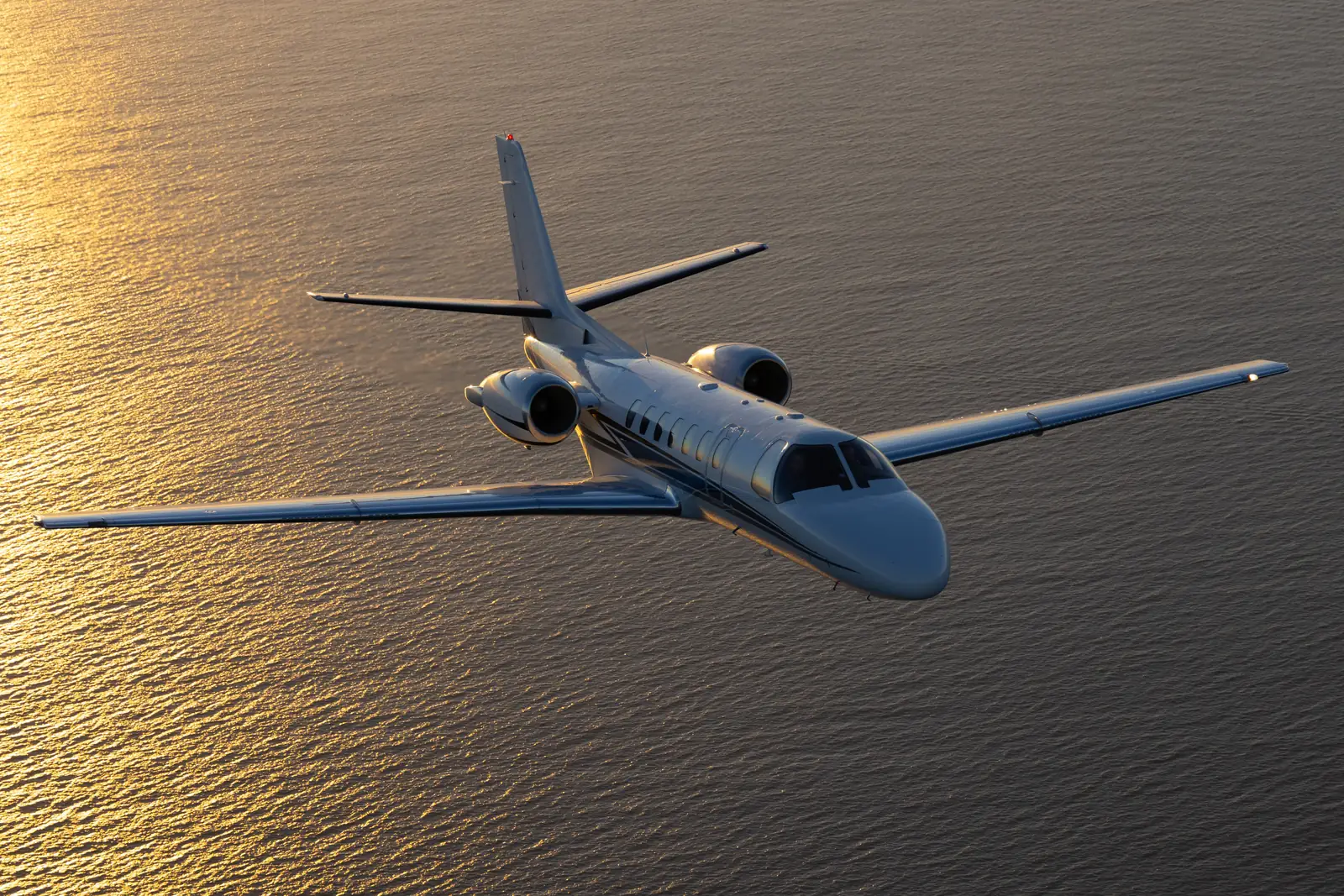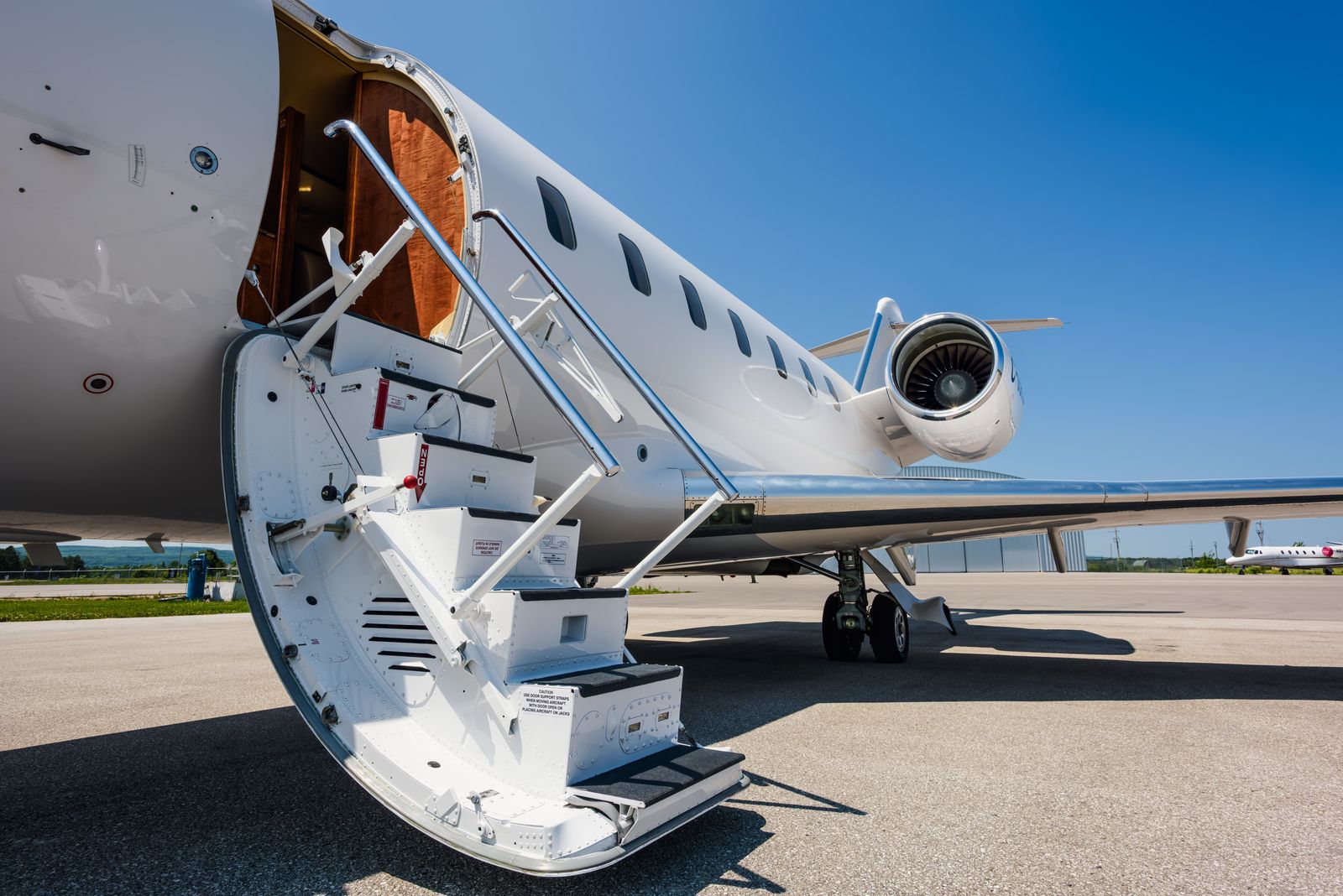
When you hear the term "small private jet," it's easy to picture a single type of aircraft, but the reality is much more interesting. This category actually covers a dynamic range of jets built for efficiency and flexibility, sort of like the difference between a nimble sports car and a luxury SUV. Understanding these distinctions is the first step to choosing the right aircraft for your trip.
Decoding the Small Private Jet
The term "small private jet" isn't a catch-all; it primarily refers to two distinct classes of aircraft: Very Light Jets (VLJs) and Light Jets. Each is engineered with a specific mission in mind, offering unique advantages in range, capacity, and cabin comfort. Grasping the difference is what separates a good charter experience from a great one.
Think of it like choosing a car for a road trip. A sleek, two-seater sports car is perfect for a quick, exciting getaway. But you'd obviously grab the keys to a spacious SUV for a longer journey with family and all their luggage. Private aviation works on a very similar principle.
Very Light Jets: The Sports Cars of the Sky
Very Light Jets, often called "air taxis," are the most compact and cost-effective private jets on the market. They typically seat just 4 to 6 passengers, making them the ideal choice for short-haul flights that are usually under two hours.
Models like the Embraer Phenom 100 or the HondaJet are famous for their incredible efficiency. More importantly, they can access thousands of smaller airports with shorter runways that commercial planes can't even think about using. This lets you land far closer to your actual destination—be it a remote business site or an exclusive resort—slashing your ground travel time.
A key benefit of any small private jet is its access to smaller, regional airports. This means you can bypass the chaos of major hubs like LAX and land at a more convenient airfield like Van Nuys (VNY), placing you minutes from your destination instead of hours.
Light Jets: The Versatile Luxury SUVs
Moving up a notch in both size and capability, Light Jets are the workhorses of the private charter world. They offer a more spacious cabin that comfortably accommodates 6 to 8 passengers and almost always include creature comforts like an enclosed lavatory and a small galley for refreshments.
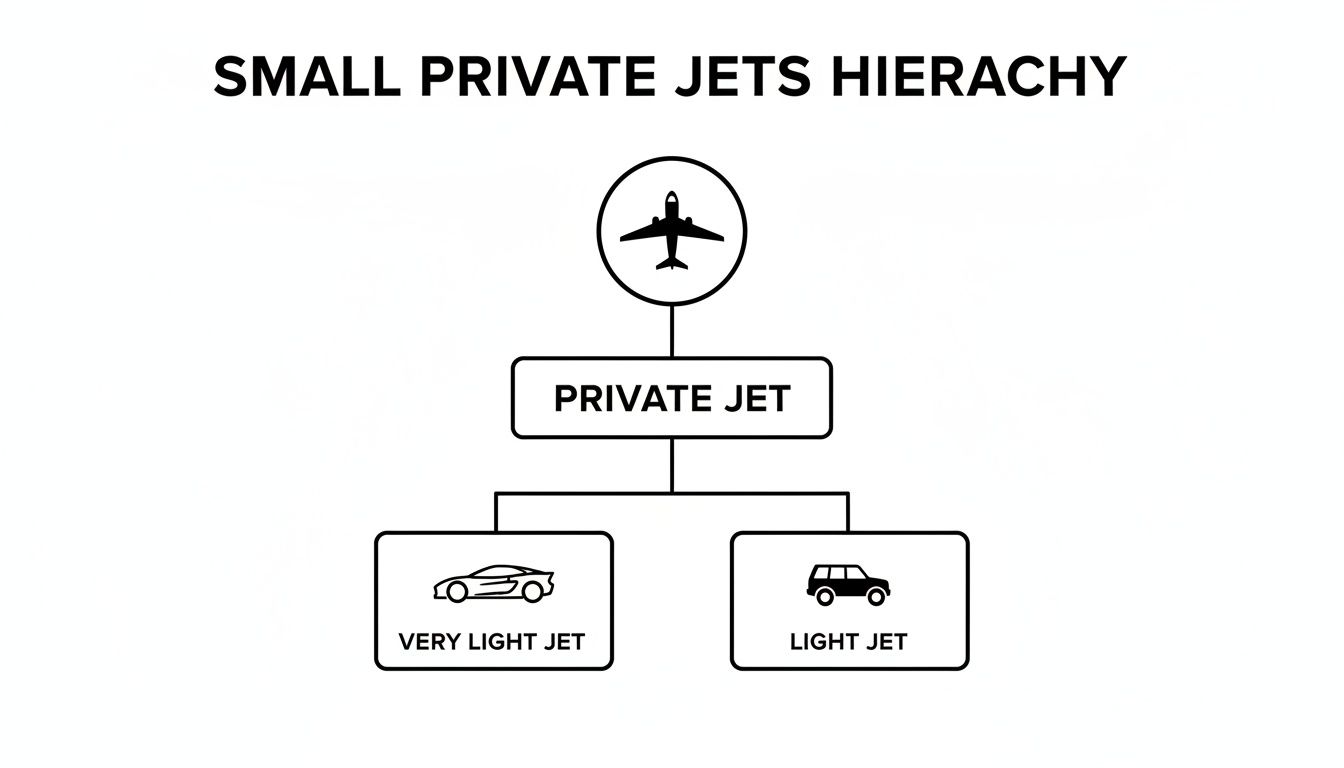
As you can see, a Light Jet offers a clear step up in both space and versatility from a VLJ. With a typical range of 1,500 to 2,000 nautical miles, jets like the Cessna Citation CJ3+ and the Embraer Phenom 300 can easily handle longer regional flights, such as New York to Miami or Los Angeles to Aspen, without needing a fuel stop.
They strike that perfect balance between operational efficiency and passenger comfort, making them the go-to choice for both business trips and family getaways.
Small Private Jet Categories at a Glance
| Jet Category | Typical Passenger Capacity | Average Range (Nautical Miles) | Best For |
|---|---|---|---|
| Very Light Jet (VLJ) | 4-6 passengers | 1,000 - 1,200 NM | Quick regional trips (under 2 hours) |
| Light Jet | 6-8 passengers | 1,500 - 2,000 NM | Coast-to-coast flights with one stop or longer regional trips |
Ultimately, choosing between a VLJ and a Light Jet comes down to your specific mission: how many people are flying, how far you're going, and what level of comfort you need. You can get a closer look at these aircraft and others when you explore our private jet fleet available for charter.
The Onboard Experience: Performance Meets Comfort
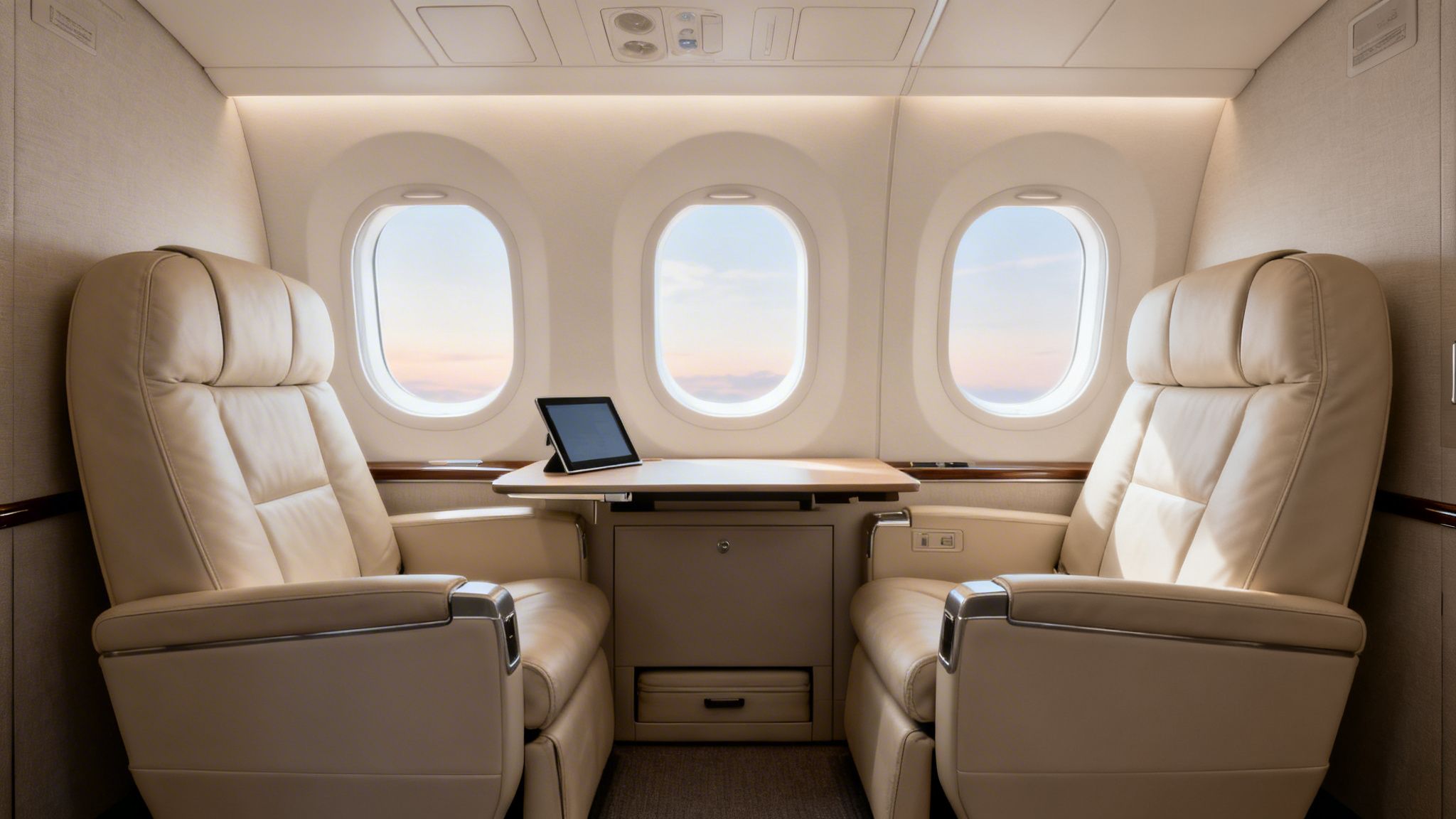
Stepping inside a small private jet for the first time is a unique experience. It's a world away from commercial travel, designed for a specific mission—yours. The environment is all about efficiency and personal comfort, combining serious performance with an intimacy that you just don't get on larger aircraft.
The performance specs you see on paper have very real-world consequences. A jet with a 1,500-nautical-mile range isn't just a number; it's a nonstop flight from New York to Dallas or London to Ibiza. These aircraft are built for flights lasting 2-4 hours, making them the go-to choice for regional business trips or a quick weekend escape.
Cabin Comfort and Practical Amenities
The cabin of a small private jet is best described as intimate and smart. It's not as sprawling as a heavy jet, of course, but the space is cleverly laid out to maximize comfort for the usual 6 to 8 passengers. Think of it less like an airliner and more like the inside of a high-end luxury car.
Most layouts feature club-style seating, with pairs of seats facing each other. This setup is perfect for holding a conversation or turning the cabin into a mobile meeting room. You'll find high-quality finishes, plush leather seats, and a quiet atmosphere that lets you work or unwind without distraction.
The essentials are always there to keep you productive and refreshed:
- Onboard Wi-Fi: Most modern light jets come equipped with Wi-Fi, so you can stay connected from takeoff to touchdown.
- Refreshment Center: You'll typically find a small galley area stocked for drinks and light snacks to keep you comfortable during the flight.
- Private Lavatory: An enclosed, private lavatory is a standard feature on nearly all light jets, adding a necessary layer of convenience.
Managing Expectations: Baggage and Space
One of the most important practical details is baggage. A light jet usually has about 50-70 cubic feet of luggage space. That's generally enough for a standard roller bag for each passenger and a few personal items.
That said, if you're traveling with bulky gear like golf clubs or skis, it's something you need to address upfront.
The key to a smooth trip is communication. Always confirm your exact baggage needs when you book. Your charter provider can then make sure the aircraft they source is the right fit for both your passenger count and your luggage.
How to Avoid Hidden Charter Costs
Chartering a small private jet should feel simple and transparent. But all too often, the final invoice is loaded with surprises that can leave a sour taste. Knowing what to look for in a quote is the key to avoiding these pitfalls, and there's one particular charge that inflates the total price more than any other: the repositioning fee.
Think of it like this: you wouldn't expect to pay an Uber driver for the 20 minutes it took them to drive to your house before your ride even starts, right? In the world of private jets, that's exactly what a repositioning fee is. It's the cost to fly an empty jet from its home base to your departure airport.
The Hidden Cost of Repositioning
When you get a quote from a traditional broker, they're often pulling from a limited pool of aircraft. If the jet they find for you is based in Scottsdale, but you need to fly out of Los Angeles, you get stuck paying for that empty flight from Arizona to California. This is what the industry calls a "deadhead" flight.
And we're not talking about a small surcharge here. It's a massive cost driver that's built into most traditional jet charter and jet card programs.
The smartest way to charter is to find an aircraft that is already where you are. This simple principle eliminates the need for a repositioning flight, ensuring you only pay for the time you're actually in the jet.
How Modern Sourcing Eliminates Unnecessary Fees
The solution is to flip the old model on its head with smarter, more efficient sourcing. Instead of being locked into a small, regional network, a modern approach taps into a massive, real-time inventory of aircraft across the globe. By accessing thousands of owner-operated jets, we can almost always find the perfect aircraft already parked at or very near your departure airport.
This "local sourcing" strategy completely sidesteps repositioning costs. Here's why it's a better way to fly:
- No Deadhead Flights: You aren't paying for an empty plane to fly across the country just to pick you up.
- True On-Demand Service: The system finds the closest, safest, and best-suited aircraft for your specific trip.
- Transparent Pricing: The quote you see is the real cost of your flight, without any hidden surcharges for moving the aircraft into position.
By working with a provider that sources aircraft this way, you put yourself in the driver's seat. You can compare quotes knowing you're looking at the true cost of your trip, not a number padded with avoidable fees. See for yourself how this impacts the bottom line by exploring our transparent charter pricing model.
Choosing Your Aircraft and Ensuring Safety

Beyond just getting a good price, one of the most significant advantages of modern charter is having total control over your aircraft and its safety record. The best way to charter today puts the power back in your hands. When you can tap into a real-time network of owner-operated aircraft, you can look past the general category and hand-pick the exact jet for your trip.
Verifying Operator Safety and Excellence
Picking the right plane is only half the battle. The other, more critical half is making sure the company operating it is absolutely top-notch when it comes to safety. The two most respected third-party rating systems you need to know are:
- Wyvern Wingman: This is a big deal. A Wyvern Wingman rating means the operator has passed a rigorous audit of their safety management, maintenance procedures, and pilot training records, far exceeding standard government requirements.
- Argus Gold and Platinum: Argus offers a tiered rating system. A Gold rating confirms a solid, well-documented safety history. Platinum, however, is the pinnacle—it's awarded only after an exhaustive, on-site audit that scrutinizes every single aspect of the operation.
When you book a charter, you should always ask for the operator's safety rating. A trustworthy provider will be proud to share this and should only work with operators who hold these premier certifications.
We ensure every operator in our network holds a Wyvern Wingman, Argus Gold/Platinum, or IS-BAO rating. It's a non-negotiable standard for us. Explore our commitment to safety standards and understand why these ratings are so important.
Your Essential Pre-Flight Checklist

The last 24 hours before your private jet takes off are just as crucial as the day you booked it. This is where all the planning comes together, ensuring every detail is nailed down for a smooth, worry-free trip.
The 24-Hour Confirmation Call
The most important step happens about 24 hours before you're scheduled to depart. This isn't just a friendly reminder call. It's a full-on, comprehensive review of your entire trip. Any high-quality charter provider will proactively send you a detailed flight brief with everything you need to know.
Your flight brief should lock in a few key logistical details:
- FBO (Fixed-Base Operator) Details: You'll get the exact name and address of the private terminal for your departure.
- Tail Number: This is the specific registration number of the aircraft you'll be on.
- Crew Information: Knowing your pilots' names adds a nice personal touch and a bit more confidence.
Fine-Tuning Your In-Flight Experience
Think of your charter provider as a personal travel concierge. The 24-hour window is the perfect time to double-check that every detail, no matter how small, has been arranged to your exact specifications.
- Catering Orders: Confirm your specific meals and drinks. Whether you requested a particular bottle of champagne or have dietary restrictions, make sure the order is correct.
- Wi-Fi Availability: If you need to work, verify that the onboard Wi-Fi will be active and ready to go.
- Pet Accommodations: Traveling with a furry friend? Reconfirm that all the necessary arrangements are in place for their safety and comfort.
- Ground Transportation: Double-check that your car service is confirmed and will be waiting for you when you land.
A Few Final Questions on Small Jet Charters
What's the Real Cost to Charter a Small Private Jet?
This is always the first question, and the answer is: it depends. The biggest variable that can inflate your quote is the repositioning fee.
How Much Luggage Can I Actually Bring on a Light Jet?
Most light jets have between 50 and 70 cubic feet of baggage space. In practical terms, that's usually plenty of room for a standard roller bag and a personal item for each passenger. The key is to be upfront about what you're bringing—especially bulky items like golf clubs or skis.
How Far Out Should I Book My Flight?
One of the best things about on-demand charter is the spontaneity. If you're in a major city, you can often get wheels-up the very same day. That said, the sweet spot for getting the best aircraft at the best price is booking 72 hours to one week in advance.
Can I Bring My Dog on a Small Private Jet?
Absolutely. This is one of the biggest perks of flying private. Your pets can travel right there in the cabin with you, which is a world away from the stress of putting them in cargo on a commercial flight. Just be sure to mention you're bringing a pet right from the start. Learn more about flying with pets on a private jet.
Ready to see how direct-to-owner rates can change your travel experience? With Haute Jets, you choose the exact small private jet you want and pay the owner's price, free from membership fees or hidden markups. Get an instant quote and discover the difference of flying on-demand.