Deciding to buy a private jet is less about the purchase price and more about your flight schedule. The key question is whether your travel needs justify the significant fixed costs that come with ownership. There’s a break-even point, often around 150 to 200 flight hours per year, where owning can become more financially sensible than chartering every trip. If you fly less than that, the high costs of crew, hangarage, and insurance are difficult to rationalize. To determine how much does a private jet cost to own per hour, you need to weigh these expenses against your actual usage. This guide will help you do the math.
Key Takeaways
- Focus on the annual operating costs, not just the purchase price: The initial price tag is only one part of the equation. The true cost of ownership lies in the recurring annual expenses for crew, maintenance, insurance, and storage, which often exceed seven figures.
- Calculate your break-even point before you buy: Ownership generally makes financial sense if you fly 150-200 hours or more per year. If your travel needs are below that threshold, the flexibility of on-demand chartering offers the same luxury experience without the long-term financial commitment.
- Budget for major, non-routine expenses from day one: Beyond predictable annual costs, you need to plan for significant expenses like asset depreciation, mandatory technology upgrades, and unexpected major repairs. Setting aside a substantial contingency fund is a critical part of responsible ownership.
How Much Does It Cost to Buy a Private Jet?
Thinking about buying a private jet is an exciting step, but the first question on everyone’s mind is always about the price. The truth is, there’s no single answer. The cost to purchase a private jet varies as much as real estate prices, depending on the aircraft’s size, age, range, and overall condition. A pre-owned light jet might be within reach for a few million dollars, while a brand-new, ultra-long-range global jet can command a price tag well over $75 million.
The initial purchase price is just the starting point of your investment. It’s the most visible number, but it’s one of many factors to consider in the total cost of ownership. Before you dive into the specifics, it helps to get familiar with the different types of aircraft available. Exploring a diverse fleet of jets can give you a better sense of the capabilities and amenities that align with your travel needs. Whether you’re looking for a nimble jet for regional business trips or a spacious cabin for international flights, understanding the market is key. Our team is always available to guide you through the process when you're ready to buy a jet.
Light Jets
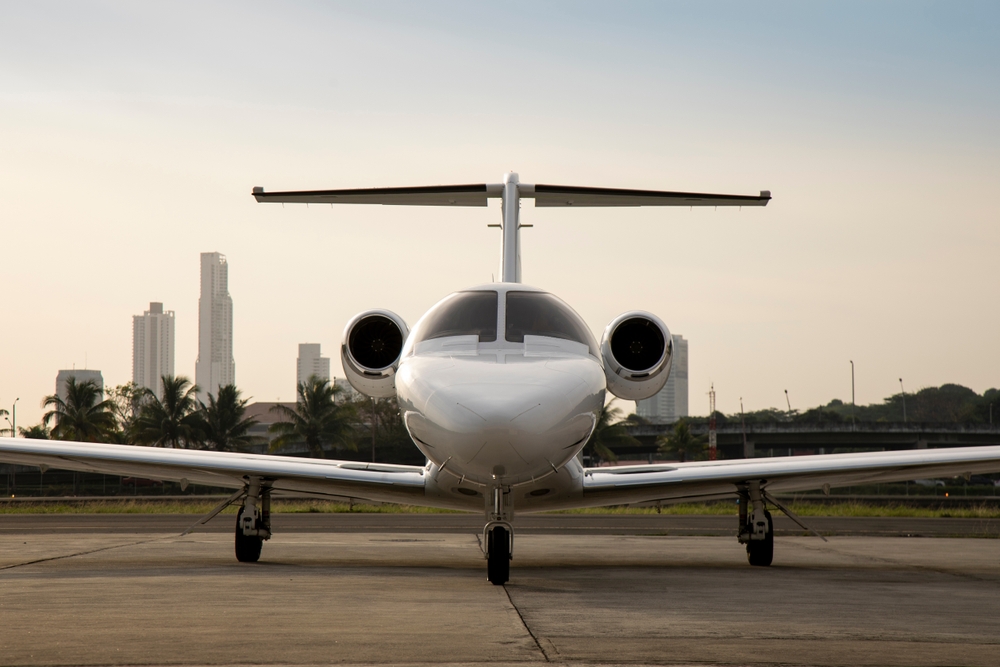
Light jets are a popular entry point into jet ownership, ideal for shorter regional flights of about two to four hours. They typically seat four to eight passengers and are perfect for quick business trips or weekend getaways. For a new light jet, you can expect the price to fall between $5 million and $15 million. For example, a newer model like the highly sought-after Phenom 300 often costs between $8 million and $10 million. According to industry guides on private jet costs, these aircraft offer a great balance of efficiency, comfort, and performance for travelers who don't require intercontinental range.
Midsize Jets
Stepping up to a midsize jet gives you more range, a larger cabin, and greater passenger capacity, making them well-suited for coast-to-coast travel. The price range for this category is quite broad. You might find an older, used model for as little as $2.1 million, while a brand-new midsize jet can reach up to $30 million. For instance, discussions among aviation enthusiasts show that a used Citation X in need of maintenance could be found for around $3 million, but one in excellent condition can cost between $4.5 million and $12 million. This category offers a great middle ground for those who need more capability than a light jet can provide.
Heavy Jets
Heavy jets are designed for long-haul, international flights and offer the ultimate in space and luxury. With stand-up cabins, multi-zone living areas, and sleeping accommodations, they are essentially flying boardrooms and residences. These aircraft typically range from $36 million to over $110 million. As detailed in guides on private jet ownership, these jets are a significant investment, favored by large corporations and individuals who frequently travel across continents. Their ability to connect distant cities without a fuel stop makes them an invaluable asset for global business and leisure.
Ultra-Long-Range Jets
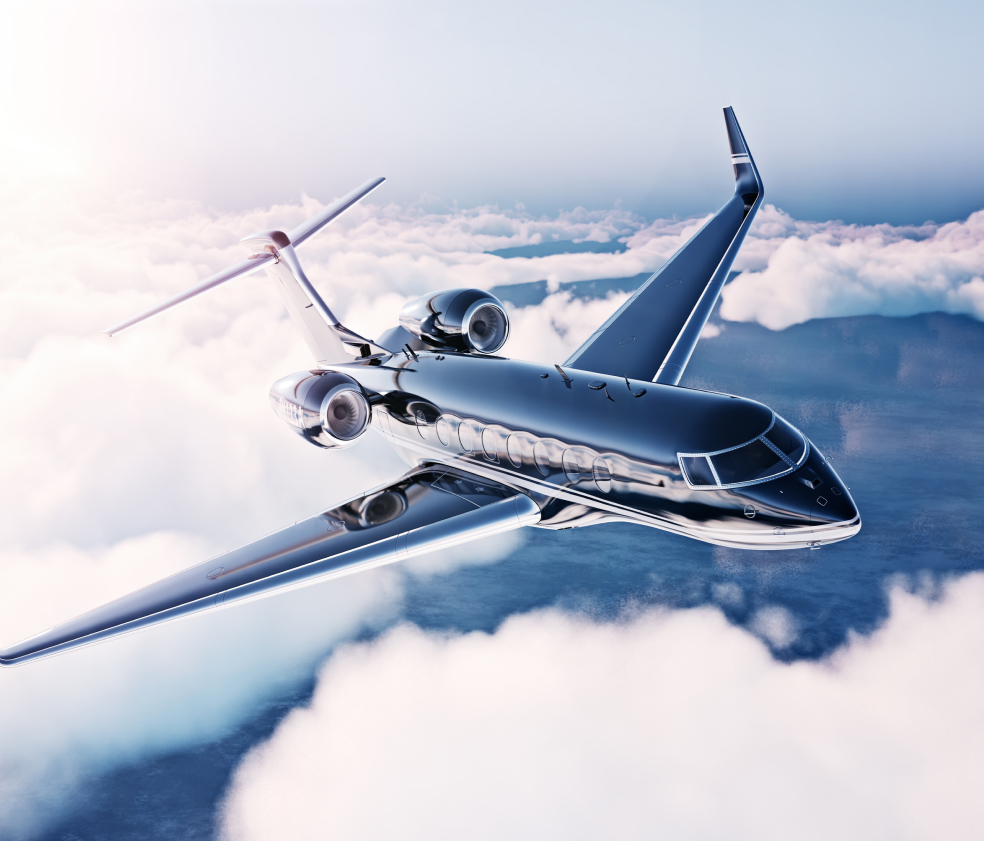
At the very top of the market are the ultra-long-range jets, the pinnacle of private aviation. These aircraft can fly for 14 hours or more, connecting virtually any two cities on the globe. The purchase price can vary dramatically, from around $1 million for a much older, smaller model to over $75 million for a new, large-cabin aircraft like a Gulfstream or Bombardier Global. An analysis of ownership costs reveals that these jets are equipped with the most advanced technology and offer the highest level of comfort. For those who require unparalleled global access, an ultra-long-range jet is the definitive choice.
What Are the Annual Costs of Owning a Jet?
The initial purchase price of a private jet is just the beginning of your investment. The true cost of ownership unfolds through annual operating expenses—the recurring costs required to keep your aircraft safe, compliant, and ready for takeoff at a moment's notice. As many owners discover, you pay for the jet's availability, even when it's sitting on the tarmac. These annual expenses can easily reach seven figures, depending on the size and age of your aircraft, how often you fly, and where you choose to store it.
Understanding these ongoing costs is essential for making an informed decision. The expenses are typically broken down into two main categories: fixed costs, which you’ll pay regardless of your flight hours, and variable costs, which are directly tied to your use of the jet. Together, they paint a complete picture of what it takes financially to maintain a private aircraft year after year. Before you commit to a purchase, it’s important to look beyond the sticker price and create a realistic budget for the comprehensive expenses that come with ownership. This will help you accurately compare the value against more flexible travel solutions.
Fixed vs. Variable Costs
Think of fixed costs as the baseline expenses for keeping your jet. These are the predictable, recurring charges you’ll face whether you fly 50 hours or 500 hours a year. You’ll also have salaries, benefits, and ongoing training for your flight crew.
Variable costs, on the other hand, are directly related to your flight activity. The more you fly, the higher they will be. This includes expenses like fuel, engine maintenance reserves, landing and handling fees, in-flight catering, and crew travel expenses. Fully understanding these costs is the key to accurately forecasting your annual budget and comparing the economics of ownership against flexible options like on-demand charter services.
Annual Cost Ranges by Aircraft Size
Just as the purchase price varies, so do the annual operating costs, which are largely determined by the aircraft's size and capabilities. The larger and more complex the jet, the more it will cost to operate each year. While every owner's expenses will differ based on usage, we can look at some general estimates.
For a light jet, you can expect annual operating costs to start around $500,000. Moving up to a midsize jet, like a Citation X, that figure can range from $1 million to over $2.6 million. For heavy and ultra-long-range jets, the annual costs climb even higher. The expenses are directly tied to the size and complexity of the different classes of aircraft, as larger planes consume more fuel, require more maintenance, and often necessitate a larger crew.
A Breakdown of Key Operating Expenses
Once you have the keys to your jet, the next financial chapter begins: the operating expenses. These are the ongoing costs that keep your aircraft safe, compliant, and ready to fly whenever you are. Understanding these expenses is crucial for creating a realistic ownership budget. Let's walk through the main costs you can expect, from routine upkeep to the crew that makes your travel seamless.
Maintenance and Inspections
Keeping your jet in pristine condition is non-negotiable for safety and preserving its value. Annual maintenance is a significant line item, often running between $500,000 and over $1 million, depending on the aircraft’s size and how often you fly. Beyond routine upkeep, you’ll also need to budget for major inspections, which are required every five to ten years and can cost several hundred thousand dollars. Think of this as a vital investment in the safety and longevity of your aircraft, ensuring every flight is as secure as it is comfortable.
Fuel
Fuel is one of the largest and most variable operating costs you'll encounter. This figure fluctuates based on market prices, the fuel efficiency of your specific jet, and the length of your trips. For longer journeys, this cost adds up quickly, making it a key factor in your overall flight budget. Understanding your typical travel patterns will help you forecast this expense more accurately and see how it compares to the straightforward pricing of on-demand charters.
Crew Salaries and Training
A world-class aircraft deserves a world-class crew. Hiring and retaining qualified pilots and cabin staff is essential for a seamless travel experience. This investment ensures your team is always current with the latest safety protocols and certifications, providing you with peace of mind on every flight. The professionalism of your crew truly defines the luxury experience, turning a simple flight into a personalized journey.
Hangar and Storage
Your jet needs a home, and a secure hangar is the best place for it. Storing your aircraft protects it from weather damage, vandalism, and general wear and tear. In major metropolitan areas, you can expect this cost to be on the higher end of the spectrum. While it's a considerable expense, proper storage is a key part of protecting your multi-million dollar asset for the long term.
Insurance
Just like any major asset, your private jet requires comprehensive insurance. This is a critical expense that protects you from potential liabilities and damages. Securing the right policy is a fundamental step in responsible ownership, giving you the confidence to fly knowing you’re fully covered for any unforeseen events.
Registration and Fees
Before your first takeoff, there are several upfront fees to account for. These include state and federal taxes, aircraft registration fees, and the cost of a thorough pre-purchase inspection to ensure the jet is in perfect condition. While not an ongoing operational cost, these initial expenses are an important part of the total investment. If you're looking to buy a jet, our acquisition team can guide you through every step, from inspection to final registration, to make the process as smooth as possible.
How Does Your Flight Schedule Impact Ownership Costs?
How often you plan to fly is one of the most significant factors in determining the true cost of owning a private jet. The more you use your aircraft, the more your high fixed costs—like hangar fees, crew salaries, and insurance—are spread out, lowering your effective cost per hour. Conversely, a jet that sits idle still racks up substantial bills. The total expense of ownership is a complex equation that includes the aircraft's age, the number of hours you fly, your insurance coverage, and whether you hire a full-time crew and management team.
Before you buy a jet, it’s essential to have a realistic picture of your annual flight needs. This isn't just about knowing your destinations; it's about forecasting the frequency and duration of your trips. A clear understanding of your travel patterns will help you determine if the convenience of ownership outweighs the considerable financial commitment. For many, comparing these projected expenses against the straightforward pricing of on-demand charters provides a much clearer path forward. Ultimately, your schedule dictates whether a private jet is a practical asset or a costly luxury.
Calculating Your Cost Per Hour
To truly understand your budget, you need to calculate your cost per hour of flying. This figure combines your fixed annual costs with your variable (or direct) costs, which change with every flight. Direct costs include fuel, maintenance parts, labor, and landing fees. This number will vary widely depending on the size and age of the aircraft in your chosen fleet. By dividing your total estimated annual costs by the number of hours you expect to fly, you get a single, powerful number that makes it easy to compare ownership against other travel options.
Finding Your Break-Even Point
The break-even point is the magic number of flight hours where owning a jet becomes more financially sensible than chartering one for every trip. While this varies based on the aircraft and your specific costs, a widely accepted industry benchmark is around 150 to 200 hours of flying per year. If your schedule demands less than 150 hours in the air annually, the high fixed costs of ownership are hard to justify. Crossing this threshold, however, means you're flying frequently enough that the convenience and availability of having your own jet can start to outweigh the premium you pay for on-demand private aircraft financing and ownership.
Is Ownership Right for Your Travel Needs?
Ultimately, the decision comes down to a simple question: does your travel schedule require the unparalleled access that ownership provides? For many businesses and individuals, time is the most valuable commodity, and the ability to fly on a moment's notice is a powerful competitive advantage. If your travel is frequent, complex, and often planned last-minute, ownership might be the right fit. However, if your trips are more predictable or less frequent, the flexibility and cost-effectiveness of chartering are likely a better match. You get all the benefits of private travel without the long-term financial and logistical responsibilities of owning an aircraft. For these situations, booking charter flights as needed is the smartest approach.
What Are the Hidden Costs of Owning a Jet?
When you’re considering buying a private jet, the initial purchase price is just the first number to think about. The true cost of ownership extends far beyond the sticker price, with several significant expenses that can catch new owners by surprise. Understanding these hidden costs is essential for creating a realistic budget and ensuring your investment remains a source of convenience, not a financial strain. These are not minor details; they are substantial costs that can significantly affect your overall financial picture.
From the moment you take ownership, your aircraft begins to depreciate, impacting its long-term value. You might also find that a pre-owned jet requires immediate and costly technology upgrades to meet current safety standards. Beyond the technical necessities, there are cosmetic updates to consider, like interior refurbishments to align the aircraft with your personal style. And, of course, there’s always the potential for unexpected and expensive repairs. Thinking through these factors beforehand will help you make a much more informed decision about whether full ownership is the right path for you.
Depreciation and Resale Value
Like any major asset, a private jet loses value over time. This depreciation is one of the most significant hidden costs of ownership. A pre-owned jet can depreciate by 5% to 15% annually, which can substantially impact your return on investment if you decide to sell later. While this is a real cost to factor into your financial planning, it’s also worth noting that depreciation can sometimes offer tax advantages, depending on how the aircraft is used. Understanding the depreciation curve for the specific make and model you’re interested in is a critical step in evaluating the long-term financial commitment of ownership.
Avionics and Technology Upgrades
If you’re looking at older, less expensive aircraft, you may be facing immediate and substantial investments in technology. For example, a jet priced around $3 million might require hundreds of thousands of dollars in avionics upgrades to comply with current safety regulations and air traffic control requirements. These updates aren't optional; they are essential for ensuring the aircraft is safe and legally permitted to fly. When you set out to buy a jet, it’s crucial to get a thorough pre-purchase inspection that details the status of the avionics suite and any pending mandates that will require costly upgrades.
Interior Refurbishments
Another expense to plan for is the cost of making the aircraft your own. The existing interior might not match your taste, or it may simply show signs of wear and tear. While this is a significant outlay, investing in the cabin’s comfort and aesthetic is key to enjoying the private flight experience. This cost is all about tailoring the aircraft to your standards, ensuring every flight feels luxurious and personal.
Unexpected Repairs
Even with a diligent maintenance schedule, unexpected repairs are an inevitable part of owning a complex machine like a jet. Major inspections, which are required every five to ten years, can run into the hundreds of thousands of dollars. Engine repairs are particularly costly, with a major overhaul potentially costing between $1 million and $2 million. These are not expenses you can defer. Having a substantial contingency fund set aside specifically for unforeseen maintenance is one of the most important parts of a responsible ownership budget. Without it, a single repair could ground your aircraft and disrupt your travel plans indefinitely.
Exploring Your Financing Options
Purchasing a private jet is a significant investment, but paying cash isn't your only option. A variety of financing structures are available to help you acquire the aircraft that fits your travel and business needs. Understanding these paths is the first step toward making a smart financial decision. Whether you’re a first-time buyer or looking to upgrade your current aircraft, the right financing can make ownership more accessible and align with your long-term financial strategy.
When you decide to buy a jet, you’ll find that lenders specializing in aviation finance offer tailored solutions that differ from standard loans. They understand the unique aspects of aircraft value, depreciation, and operating costs. From traditional loans secured by your business to flexible leasing agreements, each option comes with its own set of benefits and considerations. Let's walk through the most common ways to finance your private jet so you can determine the best approach for your situation.
Traditional Aircraft Loans
Many owners finance their private jet purchases with loans, which typically fall into two main categories: business loans and asset-based loans. A traditional business loan is secured by the overall financial health and creditworthiness of your company. Lenders will look at your business's revenue, assets, and credit history to determine your eligibility and terms. This option is often a good fit for established companies with strong financials that want to add an aircraft to their list of assets. It keeps the financing tied to the business entity rather than just the aircraft itself, which can be advantageous for accounting and liability purposes.
Asset-Based Financing
Asset-based loans offer a more direct approach to financing. Instead of focusing on your company’s balance sheet, this type of loan is secured by the aircraft itself. This allows you to leverage the value of the jet to obtain financing. For lenders, the aircraft is the primary collateral, so they will pay close attention to its age, condition, and market value. This can be an excellent option if you prefer to keep the loan separate from your other business or personal assets. It’s a straightforward way to secure funding based on the tangible value of what you’re buying.
Leasing vs. Purchasing
Deciding whether to lease or purchase a jet depends entirely on your goals. Purchasing gives you full control over the aircraft—you can customize it, fly it whenever you want, and build equity in a valuable asset. However, it also comes with the responsibilities of maintenance, crew management, and long-term costs. On the other hand, leasing can be a more flexible option if you don't want the long-term commitment of ownership. It often requires less capital upfront and can be structured to fit specific timeframes. For ultimate flexibility without any ownership ties, on-demand charter flights remain a popular choice.
Interest Rates and Terms
The interest rates and terms for an aircraft loan can vary widely based on several factors, including your credit profile, the loan amount, the age of the jet, and the lender you choose. Loan terms typically range from five to 20 years. Some lenders offer hybrid private aircraft loans, such as a floating-rate loan that includes an option to lock in a fixed rate later to avoid interest rate increases. It’s wise to explore different lenders who specialize in aviation, as they can provide more competitive and suitable financing packages than a general bank.
Can Tax Benefits Lower Your Ownership Costs?
Owning a private jet is a significant investment, but it can also come with substantial financial advantages, especially for business use. The U.S. tax code offers several incentives that can dramatically reduce the net cost of purchasing and operating an aircraft. These benefits are designed to encourage business investment, and a private jet is a qualifying asset. By understanding and strategically using these tax provisions, you can make ownership more financially manageable. It’s always best to consult with a qualified tax professional to tailor a strategy to your specific situation, but let's look at some of the key benefits available.
Bonus Depreciation
This is a powerful tool for aircraft owners. Thanks to 100% Bonus Depreciation, your business can deduct the entire purchase price of a new or pre-owned aircraft from your taxable income in the first year of service. Imagine you buy a jet for your business; this provision allows you to write off that full amount immediately, which can lead to major tax savings. This isn't just a small credit; it's a full deduction that can significantly impact your company's bottom line for the year. It’s one of the most compelling financial arguments for purchasing an aircraft for business purposes.
Section 179 Deductions
Another valuable tax incentive is the Section 179 deduction. While Bonus Depreciation often gets the spotlight, Section 179 provides an alternative, particularly useful for smaller to mid-sized businesses. This rule allows you to deduct a substantial portion of the aircraft's cost, up to a specific limit, in the year it's placed in service. The current deduction limit is quite generous, offering another avenue for immediate tax relief. Think of it as an additional option in your financial toolkit that can make the initial investment in a private jet more accessible. Your financial advisor can help determine whether this or Bonus Depreciation is the better fit for your business's tax strategy.
Business Use Advantages
To qualify for these significant tax deductions, there's a key requirement: the aircraft must be used for business purposes more than 50% of the time. The IRS keeps a close eye on this, so meticulous record-keeping is essential. You'll need to log every flight, detailing whether it was for business or personal use. Business use can include flying to client meetings, visiting company sites, or attending industry conferences. Personal use, like a family vacation, doesn't count toward that 50% threshold. Meeting this requirement is the gateway to leveraging powerful tax benefits, effectively lowering the overall cost of ownership.
Generating Income Through Charter
Your jet doesn't have to sit idle when you're not using it. One of the smartest ways to offset ownership costs is to make your aircraft available for charter. By placing your jet in a charter management program, you can generate a steady stream of income that directly counters your fixed costs like hangar fees, insurance, and crew salaries. This turns a significant expense into a revenue-generating asset. Companies like Haute Jets manage a diverse fleet of aircraft and can handle the marketing, scheduling, and logistics, making it a seamless process for you. It’s an effective strategy for maximizing the financial return on your investment.
How to Budget for Jet Ownership
Creating a realistic budget is one of the most critical steps before you decide to buy a jet. The initial purchase price is a significant investment, but the ongoing expenses are what truly define the cost of ownership. Thinking through these numbers will help you understand the full financial picture and determine if ownership aligns with your travel needs and financial goals. Let's walk through how to map out your first-year expenses, plan for long-term costs, and calculate what you’ll actually spend per hour in the air.
Your First-Year Budget
The first year of jet ownership includes the acquisition cost plus a full cycle of operating expenses. While the sticker price gets the most attention—a pre-owned midsize jet like a Citation X can range from $3 million to over $12 million—it’s just the beginning. You also need to budget for annual operating costs, which can easily run between $1 million and $2.6 million for a jet of that size. Remember, you’re paying for the aircraft’s availability around the clock, not just for the hours you’re flying. This initial budget should cover everything from insurance and crew salaries to maintenance programs and hangar space.
Planning for Long-Term Costs
Beyond your first year, you’ll need a solid plan for recurring and unexpected expenses. Fixed costs are the predictable bills you’ll pay annually regardless of how much you fly. You also have to prepare for major, less frequent expenses. A significant inspection can cost hundreds of thousands of dollars, while an engine overhaul could set you back $1 million to $2 million. These long-term costs are a crucial part of the ownership equation.
Calculating Your True Cost Per Hour
To make an informed decision, you need to know your true cost per hour. This figure helps you compare ownership against other options, like on-demand charters. When you add in your fixed costs, the all-in hourly rate is often much higher. This detailed calculation reveals the real expense of flying, which often makes the clear and predictable private jet rental costs of chartering an attractive alternative.
What Are the Alternatives to Full Ownership?
Full jet ownership is a significant commitment, and it isn't the right choice for everyone. If the upfront investment and annual operating costs seem daunting, or if your travel needs vary throughout the year, you have excellent alternatives. These models provide the luxury and convenience of private aviation with more flexibility and fewer responsibilities. Exploring these options will help you find the perfect balance between access, cost, and convenience for your specific travel profile. Each approach offers a different level of commitment, giving you the power to choose how you want to fly.
Fractional Ownership
Think of fractional ownership as a timeshare for a private jet. Instead of buying an entire aircraft, you purchase a share, which entitles you to a specific number of flight hours per year. This model allows multiple owners to split the aircraft's purchase price, as well as the fixed annual costs like crew salaries, hangar fees, and insurance. It’s an attractive option if you fly a predictable number of hours each year and want the consistency of a specific aircraft type without shouldering the entire financial burden of sole ownership. You get the perks of an owner with a smaller capital outlay.
Jet Cards and Memberships
If fractional ownership still feels like too much of a commitment, a jet card might be the right fit. With a jet card program, you prepay for a block of flight hours—typically 25, 50, or 100—at a fixed hourly rate. This approach offers cost predictability and simplifies budgeting for your travel. It gives you access to an entire fleet of aircraft, so you can choose the right jet for each trip. Jet cards are a popular choice because they provide the flexibility and convenience of private travel without any of the long-term responsibilities or capital risks associated with owning an asset.
On-Demand Charter Services
For the ultimate flexibility, on-demand charter services are unmatched. This model works on a pay-as-you-go basis, allowing you to book a private jet for a specific trip without any upfront investment or long-term contracts. It’s the ideal solution for those who fly less frequently or have unpredictable schedules. You have the freedom to choose the perfect aircraft from a vast global fleet for every single flight, ensuring you only pay for what you need. With on-demand charter flights, you get all the benefits of private jet travel—speed, privacy, and luxury—with zero ownership commitments.
Related Articles
- Private Jet Cost to Buy: The Full Financial Picture - Haute Jets
- How Much Does a Private Jet Really Cost? - Haute Jets
- Private Jet Price: Uncovering the Real Cost - Haute Jets
- Cost of a Personal Jet: Factors, Options & Value - Haute Jets
- How Much Is It To Buy a Private Jet? Find Out Now - Haute Jets
Frequently Asked Questions
Is the purchase price the biggest expense of owning a jet? Not over the long run. While the initial purchase is a major investment, the cumulative annual costs are what truly define the financial commitment. Think of expenses like crew salaries, hangar storage, insurance, and routine maintenance—these add up to a significant sum each year. Over the lifetime of the aircraft, these operating costs will almost certainly exceed what you paid for the jet in the first place.
How many hours do I need to fly per year for ownership to make financial sense? The general rule of thumb in the industry is that ownership starts to become more economical than chartering once you fly more than 150 to 200 hours per year. Below that threshold, the high fixed costs of ownership are spread over too few flights, making your cost per hour extremely high. Flying frequently allows you to get more value from the money you’re already spending on keeping the jet ready and available.
Can I reduce my ownership costs by chartering out my jet? Absolutely. Placing your aircraft on a charter certificate is one of the most effective strategies for offsetting your expenses. When you aren't using your jet, it can be flying missions for other clients, generating income that directly helps cover your fixed costs like hangar fees and crew salaries. This turns an asset that would otherwise be sitting idle into a source of revenue.
What's the most surprising cost for new jet owners? Many new owners are caught off guard by depreciation and the cost of major, unscheduled repairs. A jet loses a percentage of its value each year, which is a real, tangible cost. Furthermore, an unexpected engine overhaul or a mandatory avionics upgrade can easily result in a bill for over a million dollars. It's essential to have a healthy contingency fund set aside for these large, inevitable expenses.
If I don't fly enough to justify buying, what's my best option? For those who want the private jet experience without the responsibilities of ownership, on-demand charter is the most flexible and straightforward choice. You get access to a global fleet of aircraft and only pay for the trips you take, with no long-term contracts or upfront capital investment. It gives you all the luxury and convenience of private travel on your own terms.