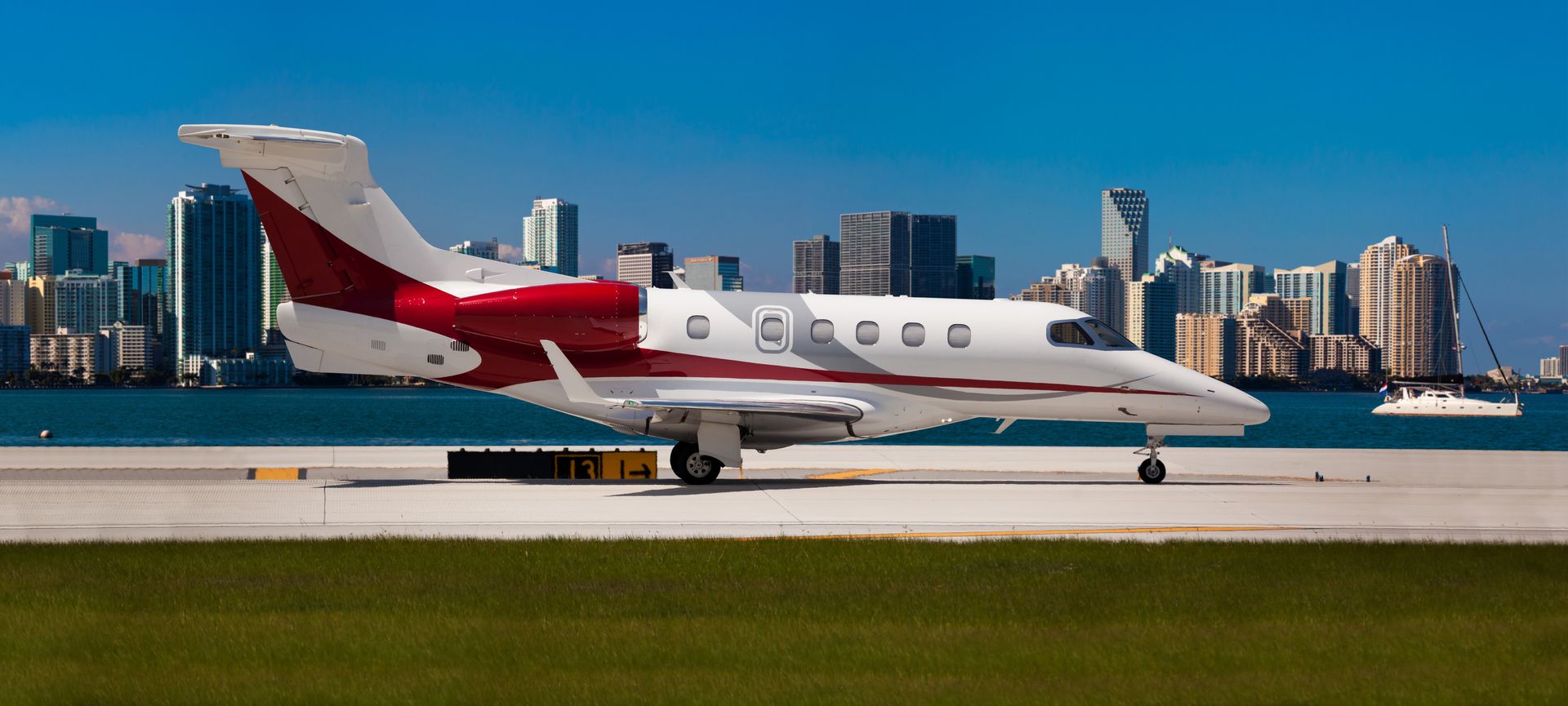
The sticker price of a private jet can be misleading. While it’s the number that gets the most attention, it represents only a fraction of the true financial commitment. The real answer to "how much is it to buy a private jet?" lies in the ongoing, and often overlooked, costs of keeping it in the air. These recurring expenses—including maintenance, crew, fuel, and storage—can easily run into the millions each year. This guide pulls back the curtain on the total cost of ownership, providing a detailed look at every expense you can expect. We’ll give you the insight needed to budget accurately and avoid any financial surprises down the road.
Key Takeaways
- Look beyond the sticker price to understand the total investment: The initial purchase is just one part of the equation; be sure to budget for significant annual operating costs like crew, maintenance, and hangar fees.
- Match the aircraft to your specific travel needs: Choosing a jet based on your typical passenger count and flight distance ensures you invest in a practical asset that truly fits your lifestyle.
- Explore alternatives to full ownership: On-demand chartering provides all the luxury and convenience of private travel without the complex financial and management responsibilities that come with owning a jet.
What Does a Private Jet Really Cost?
Let’s get straight to the point: what is the actual price tag on a private jet? The answer isn’t a single number but a wide spectrum that depends on exactly what you’re looking for. The initial purchase price is the most significant upfront cost, but it’s just the beginning of the financial picture. Understanding the factors that shape this initial investment is the first step toward making a smart decision, whether you’re looking to buy a jet outright or simply understand the value of private aviation. Below, we’ll break down the key elements that determine the cost of an aircraft.
New vs. Pre-Owned Aircraft Prices
The price of a private jet can range from around $3 million to well over $100 million. This massive range is influenced by the aircraft's size, features, age, and condition. For a new aircraft, you could be looking at a very light jet like the Cirrus VisionJet for about $3.5 million. On the opposite end, a new, large, ultra-long-range jet like the Gulfstream G700 can cost upwards of $80 million. Pre-owned aircraft offer a lower entry point, but the price will still depend heavily on its flight hours, maintenance history, and interior condition. Exploring the different types of aircraft in the fleet can give you a better sense of how size and capability impact value.
Common Misconceptions About Pricing
One of the biggest misconceptions is that buying a used jet is always the most cost-effective option. While the initial purchase price is lower, a pre-owned aircraft can come with significant hidden costs. You might need to invest heavily in modernizing the avionics, refurbishing the cabin, or catching up on deferred maintenance, which can quickly add up. Another common belief is that ownership is accessible to anyone who can afford a luxury car. The reality is that owning a private jet is an immense financial commitment. This is why many savvy travelers prefer the flexibility of on-demand charter flights, which provide all the benefits of private travel without the complexities and high costs of ownership.
Market Factors That Influence Cost
Beyond whether a jet is new or used, several market factors will influence its final price. The aircraft’s size and range are the most obvious drivers—a larger cabin and the ability to fly farther non-stop will always command a higher price. The age and total flight hours on the airframe also play a crucial role, as does the manufacturer's reputation for reliability and performance. Customizations, from the cabin layout to the paint scheme, also add to the cost. These variables don't just affect the purchase price; they are the same factors that help determine private jet rental costs for individual trips, making them important to understand no matter how you choose to fly.
Find Your Jet: Types and Price Ranges
Finding the right private jet starts with understanding the different categories available. Think of it like choosing a car—you wouldn't buy a two-seater sports car for a family of five. Jets are similarly grouped by size, passenger capacity, and how far they can fly, all of which directly influence the purchase price. The aircraft you choose will shape your entire ownership experience, from the types of trips you can take to your annual operating costs. Each category offers a unique balance of performance, comfort, and efficiency.
Whether you’re planning short regional hops or non-stop international flights, there’s an aircraft designed for your specific travel needs. Exploring our global fleet can give you a better sense of the options available for charter, which often mirrors the market for purchasing. This breakdown covers the main types of private jets and their typical price ranges to help you pinpoint which category is the best fit for you. As you review these options, consider not just your current travel patterns, but also how you envision using your jet in the years to come. This foresight will ensure you invest in an asset that truly serves your long-term goals and travel ambitions.
Very Light Jets (4-6 Passengers)
Often called the entry point to private jet ownership, very light jets (VLJs) are perfect for shorter trips and accessing smaller airports that larger planes can't. They comfortably seat four to six passengers, making them an efficient choice for quick business meetings or weekend getaways. While they are the most compact option, they don't skimp on performance for regional travel. A new very light jet typically costs between $3 million and $10 million, with popular pre-owned models available for less. This category offers a practical and accessible way to begin your journey as a jet owner.
Midsize Jets (7-9 Passengers)
If you need more range and cabin space, midsize jets are an excellent choice. They can handle coast-to-coast flights with ease and typically accommodate seven to nine passengers. The cabin is more spacious, often with enough headroom to stand, and usually includes an enclosed lavatory and a small galley for refreshments. This blend of comfort, performance, and efficiency makes them one of the most popular types of private aircraft for both business and leisure travelers. You can expect to find new midsize jets priced from around $9 million to $25 million, offering a significant step up in capability.
Heavy Jets (10-16 Passengers)
For intercontinental travel with larger groups, heavy jets deliver an exceptional experience. These aircraft are designed for long-haul comfort, featuring spacious, stand-up cabins that can be configured with separate zones for working, dining, and relaxing. They typically seat 10 to 16 passengers and almost always include a flight attendant to cater to your needs. With impressive range and luxurious amenities, heavy jets are like a boardroom or luxury suite in the sky. The investment to buy a jet in this class generally starts around $35 million and can go well over $70 million.
Ultra-Long-Range Aircraft
At the very top of private aviation are the ultra-long-range aircraft. These jets are built to connect nearly any two cities on the globe without refueling, offering unparalleled freedom and flexibility. The cabins are expansive and can be customized with private staterooms, full-sized bathrooms with showers, and large galleys for preparing gourmet meals. Designed for the ultimate in luxury and privacy on flights lasting 14 hours or more, these aircraft represent the pinnacle of personal air travel. Prices for these flagship models start above $70 million, with the latest jets like the Gulfstream G700 approaching $80 million.
Look Beyond the Sticker Price: The Costs of Ownership
The initial purchase price of a private jet is just the first step. To get a complete picture, you need to account for the significant ongoing operational costs that come with ownership. These recurring expenses cover everything from where you park your jet to the team that flies it. Understanding these costs is essential for making a sound financial decision and ensuring your aircraft remains a valuable asset, not a financial drain. Let's break down the primary expenses you can expect.
Annual Operating Expenses
When you add everything up, the annual cost of owning a private jet can easily exceed $1 million. For a popular aircraft like the Citation X, you might spend between $1.5 million and $2.65 million per year, especially if you fly around 400 hours. This figure bundles together all the fixed and variable costs we’ll discuss below, including maintenance, crew, insurance, and fuel. It’s a substantial commitment that highlights why many opt to explore the private jet rental costs associated with chartering as a more flexible alternative to full ownership.
Maintenance and Repairs
Just like any sophisticated machine, a private jet requires regular, meticulous maintenance to ensure safety and performance. As a general rule, you can budget about 2% of the jet's original price for routine maintenance each year. This covers scheduled inspections and preventative care. However, you also need to plan for unexpected repairs, such as new tires or avionics issues, which can add several thousand dollars to your annual budget. The specific maintenance needs will vary depending on the age and type of aircraft in your chosen fleet.
Crew Salaries and Training
A private jet requires a professional crew, and their salaries are a major operational expense. Beyond salaries, you are also responsible for the costs of their initial and recurrent training to keep them compliant with FAA standards and proficient on your specific aircraft. This investment is non-negotiable for safe and reliable travel.
Insurance and Registration
Insuring a multi-million dollar asset is a complex and costly necessity. The final price depends on several factors, including the aircraft’s value, how it will be used (private vs. commercial), your typical travel destinations, and the experience level of your pilots. On top of insurance, you’ll also have annual registration fees to keep your aircraft legally compliant.
Hangar and Storage Fees
Your jet needs a safe place to stay when you’re not flying. If you prefer the convenience and security of a private hangar, be prepared for a significant investment. The cost to build your own can start around $30,000 for a basic structure and climb into the millions for a large, climate-controlled facility with office space and other custom features.
Fuel Costs
Fuel is one of the largest variable expenses of jet ownership. The cost can fluctuate based on global oil prices and where you refuel. This is a critical line item to budget for, as it directly impacts the cost of every trip you take. It’s also a key reason why on-demand charter flights are appealing, as the fuel cost is simply part of the all-inclusive price.
How to Plan Your Jet Purchase
Buying a private jet is a major financial commitment, but with a solid plan, you can approach the process with confidence. Thinking through the key financial steps ahead of time will help you make a smart investment and ensure a smooth transition to ownership. From securing funding to protecting your new asset, here’s what you need to consider.
Explore Your Financing Options
First things first, let’s talk about how you’ll pay for your jet. Most buyers don’t pay in cash; instead, they explore different ways to fund the purchase. The most common private jet financing options are traditional loans, asset-based loans, and leasing agreements. Standard loans are a popular choice and are typically centered on the value of the aircraft itself. It’s a good idea to speak with financial institutions that specialize in aviation to find a plan that aligns with your financial goals and gives you the best terms.
Understand the Tax Implications
Taxes are an unavoidable part of any large purchase, and private jets are no exception. Before you sign on the dotted line, it’s crucial to get familiar with the specific tax considerations that come with aircraft ownership. Depending on how you structure the purchase and operate the jet, you might find some tax benefits. A tax advisor with aviation experience can help you understand your obligations, ensure you’re compliant, and make the most of any advantages available to you. This is one area where professional guidance is truly invaluable.
Account for Depreciation
Like any major asset, a private jet will depreciate, meaning its value will decrease over time. This is a significant factor in the total cost of ownership and will affect its future resale value. When you’re building your budget, you need to factor in depreciation from day one. Understanding how different aircraft models hold their value can also influence your initial purchase decision. Planning for this gradual loss in value will give you a more realistic picture of your long-term investment and prevent financial surprises down the road.
Protect Your Asset
Once the purchase is complete, your focus will shift to managing and maintaining your aircraft. To protect your investment, many owners choose to hire an aircraft management company. These professionals handle all the day-to-day logistics, from scheduling maintenance and hiring crew to ensuring regulatory compliance. Handing these responsibilities over to an expert team not only keeps your jet in top condition but also frees you up to simply enjoy the experience of ownership. When you're ready to buy a jet, having a management plan in place is a smart final step.
Your Ongoing Responsibilities as an Owner
Once the papers are signed and the jet is yours, the journey of ownership truly begins. The purchase price is a significant one-time expense, but the ongoing costs and responsibilities are what define the ownership experience. Think of it less like buying a car and more like taking on the stewardship of a high-performance asset. Keeping your aircraft in pristine condition isn’t just about protecting your investment; it’s about ensuring every flight is safe, comfortable, and ready when you are. From routine upkeep to staying ahead of technological advancements, being a jet owner is an active role that requires careful planning and a dedicated team. This commitment is what separates a simple purchase from a truly seamless and luxurious travel lifestyle. For those who prefer the luxury without the logistics, chartering a flight offers a perfect alternative.
Sticking to a Maintenance Schedule
A private jet is a masterpiece of engineering, and keeping it that way requires a strict, proactive maintenance schedule. This goes far beyond fixing things as they break. Routine maintenance is a continuous process of inspections, servicing, and parts replacement designed to prevent issues before they arise. You should plan for these regular costs, as routine upkeep for a used jet can be about 2% of its original price each year. This doesn't even include unexpected repairs or required inspections, which can add thousands to your annual budget. Adhering to this schedule is non-negotiable for ensuring safety and preserving your aircraft’s long-term value.
Meeting Safety and Compliance Standards
The world of aviation is governed by rigorous safety and compliance standards, and as an owner, the buck stops with you. You are responsible for ensuring your aircraft meets all regulations set by authorities like the Federal Aviation Administration (FAA). This involves everything from mandatory inspections and equipment certifications to ensuring your flight crew’s training is always up to date. Handling these complex rules is critical, which is why it's wise to work with experts who have a deep understanding of FAA requirements and can manage the extensive documentation required. Staying compliant is fundamental to safe and legal operation.
Planning for Technology Updates
Aviation technology evolves quickly, and keeping your aircraft current is key to maintaining its value and appeal. This is especially true if you purchase a pre-owned jet, which might require significant investment in modern upgrades. Budgeting for these technological enhancements ensures your jet doesn’t become outdated and continues to provide a top-tier travel experience for years to come.
Budgeting for Interior Refurbishments
The cabin is the heart of the private jet experience, and keeping it luxurious and comfortable is an ongoing expense. Over time, even the most opulent interiors show signs of wear. You’ll need to budget for periodic refurbishments to maintain that "new jet" feeling.
Find the Right Ownership Model for You
Buying a private jet is a major decision, but full ownership isn't your only path to the skies. The right model for you depends entirely on how often you fly, your budget, and how much control you want over your travel. From owning a fraction of an aircraft to simply booking a flight when you need one, each option offers a different balance of cost, convenience, and commitment. Understanding these choices is the first step toward finding the perfect fit for your lifestyle and travel needs. Let's walk through the most common models so you can see which one aligns with your goals.
Is Full Ownership the Right Choice?
Full ownership offers the ultimate freedom and personalization—the aircraft is yours, available whenever you need it. However, this path comes with the highest financial commitment. The initial purchase price is just the beginning; you'll also be responsible for all annual operating costs, from crew salaries and maintenance to insurance and hangar fees. The total cost of ownership varies significantly based on whether you choose a new or pre-owned jet and its size. This option is best suited for individuals or corporations that fly extensively and require constant, immediate access to a dedicated aircraft. If you're ready to explore this option, you can start by looking at jets available to buy now.
How Fractional Ownership Works
If you fly often but don't need a jet 24/7, fractional ownership can be a practical alternative. This model allows you to purchase a share of a specific aircraft, which translates into a set number of flight hours per year. You get the perks of ownership—like consistent quality and access to a fleet—without the full financial burden or management responsibilities. A management company handles all the logistics, including maintenance, crew, and scheduling. A monthly management fee typically covers these fixed costs, making your expenses more predictable. It’s a great way to secure access to a jet without taking on the complexities of full ownership.
The Role of Jet Cards and Memberships
Jet card programs offer another layer of convenience, acting as a prepaid card for private flights. You purchase a block of flight hours—typically 25 or more—at a fixed hourly rate. This approach simplifies budgeting and guarantees aircraft availability, often with just a few hours' notice. Unlike fractional ownership, it doesn't involve an equity stake in an aircraft, so there's less long-term commitment. While jet cards provide predictability, they can be less flexible than on-demand services. At Haute Jets, we believe in providing ultimate freedom without locking you into a membership, offering competitive on-demand pricing for every trip.
The Flexibility of Chartering
For those who fly privately a few times a year or simply want to avoid the complexities of ownership, chartering is the ideal solution. When you charter a private jet, you pay for each trip as you take it, with no upfront investment or ongoing management fees. This pay-as-you-go model gives you access to a wide variety of aircraft, allowing you to choose the perfect jet for each specific mission, whether it's a short business trip or a long-haul family vacation. All the responsibilities of ownership—maintenance, crew, and logistics—are handled by the charter company. It’s the most flexible and straightforward way to enjoy the luxury and convenience of private air travel.
Finalize Your Purchase: A Step-by-Step Guide
Once you’ve decided that full ownership is the right path, it’s time to move toward making your purchase official. This process involves several critical steps, each requiring careful attention to detail. Having a clear plan and the right team on your side will make all the difference in ensuring a smooth and successful transaction. From selecting the perfect aircraft to signing the final papers, here’s what you need to know to complete your acquisition with confidence.
Select the Right Aircraft
Choosing your jet is about more than just aesthetics and passenger count; it’s about finding the aircraft that perfectly aligns with your travel patterns and financial strategy. Before you even begin your search, it’s wise to thoroughly consider the total costs of purchasing a private jet, from annual operating expenses to potential maintenance. Think about your typical mission range, the airports you frequent, and the amenities that matter most. Exploring a diverse fleet of aircraft can help you compare models and understand the capabilities of everything from light jets to ultra-long-range aircraft, ensuring your final choice is a practical and satisfying investment.
Conduct a Pre-Purchase Inspection
A thorough pre-purchase inspection is one of the most crucial steps in the buying process. This isn't a simple walk-around; it's a comprehensive evaluation of the aircraft's condition, maintenance history, and compliance with all regulations. It’s smart to talk to an experienced private jet broker who can guide you through the complicated buying process, including the inspection itself. A good broker will arrange for a detailed review by a qualified technician, check logbooks, and identify any potential issues that could affect the jet's value or safety. This professional oversight protects your investment and gives you peace of mind.
Prepare the Necessary Documents
Acquiring a private jet involves a significant amount of paperwork, and having everything in order is key to a seamless closing. You’ll need to gather financial statements for your lender, proof of insurance, and documents for FAA registration. When you identify a lender, it’s helpful to find one with specific expertise in aviation. They will understand the unique requirements and regulations that affect your purchase. Our team can help you get your documents in order and connect you with trusted partners to ensure every detail is handled correctly.
Completing the Closing Process
The closing process brings together all the legal and financial elements of your purchase. This is where buyers will want to have qualified industry experts on their side. Your team should include an aviation attorney, an escrow agent, and a private aviation consultant to manage the final transaction. They will handle the title search, ensure all funds are transferred securely, and file the necessary registration paperwork with the FAA. With a professional team managing the complexities, you can focus on the excitement of taking ownership of your new jet.
Related Articles
- Private Jet Price: Uncovering the Real Cost - Haute Jets
- Cost of a Personal Jet: Factors, Options & Value - Haute Jets
- Costs of Owning vs. Chartering Private Jets: Cost Comparison | Haute Jets
- How Much Do Private Jets Cost? A Complete Guide - Haute Jets
- How Much Does a Private Jet Cost? A Breakdown of Expenses - Haute Jets
Frequently Asked Questions
Is buying a pre-owned jet a smart way to save money? While the initial price tag on a pre-owned jet is certainly lower, it isn't always the most economical choice in the long run. Think of it like buying a classic car—the upfront cost is just the beginning. You might need to invest a significant amount in updating the technology, refurbishing the cabin to your standards, or catching up on maintenance. These expenses can add up quickly, sometimes erasing the initial savings. It's important to weigh the lower purchase price against the potential for higher, less predictable costs down the road.
Besides the purchase price, what's the single biggest expense I should prepare for? The most significant ongoing expense is often the combination of crew salaries and maintenance. A professional flight crew is essential for safety and operation, and their salaries and continuous training represent a major annual cost. At the same time, routine maintenance, scheduled inspections, and unexpected repairs are constant. These two categories together form the backbone of your operational budget and are far more substantial than things like hangar fees or insurance, though those are important too.
With all these costs, when does chartering make more sense than buying? Chartering is the perfect solution if you fly less than 200 hours per year or if your travel needs vary greatly from trip to trip. It gives you all the luxury and convenience of private flight without any of the responsibilities or massive financial commitments of ownership. You can choose the ideal aircraft for each specific journey—a light jet for a quick regional meeting and a heavy jet for an international family vacation—while the charter company handles all the logistics, from crew to maintenance. It’s the most flexible and financially straightforward way to fly privately.
I'm interested in buying. What does the process actually look like from start to finish? The buying process is a detailed journey that requires a team of experts. It starts with defining your travel needs to select the right type of aircraft. From there, you'll work with a broker to find a specific jet and conduct a thorough pre-purchase inspection to verify its condition. Concurrently, you'll secure financing and insurance. The final stage involves a lot of paperwork, including the purchase agreement and FAA registration, all managed by an aviation attorney and escrow agent to ensure a smooth closing.
If I own a jet, am I responsible for hiring pilots and scheduling maintenance myself? While you are ultimately responsible as the owner, you don't have to manage the day-to-day operations yourself. Most owners hire a professional aircraft management company to handle all the complex logistics. This team takes care of everything from hiring and training your crew to scheduling all required maintenance, ensuring regulatory compliance, and even managing the jet's budget. Their expertise keeps your aircraft safe and ready to fly, freeing you to simply enjoy the benefits of ownership.