When it comes to private air travel, you have options. Light jets and turboprops both offer luxurious, efficient transportation for discerning travelers like yourself. But how do you choose the right aircraft for your specific needs? This guide will help you navigate the key differences between light jets and turboprops, empowering you to make an informed decision for your next charter flight.
We'll explore the performance capabilities, cabin amenities, and cost considerations of each aircraft type. Whether you're planning a quick business trip or a weekend getaway, understanding these distinctions will ensure you select the perfect private aircraft to elevate your travel experience.
Light Jet vs. Turboprop - How to Choose the Right Aircraft for Your Needs
Aircraft Performance
When it comes to aircraft performance, light jets and turboprops offer distinct advantages. Light jets are faster and can fly at higher altitudes, making them ideal for longer flights or routes where speed is crucial. According to Flying Finance, the Cessna Citation CJ3 light jet cruises at over 400 knots with a maximum altitude of 45,000 feet, while the King Air 350i turboprop flies at over 300 knots and tops out at 35,000 feet.
However, turboprops excel in their ability to operate from shorter runways and access smaller airports. This can be advantageous for regional travel or reaching remote destinations. Cabin size is another consideration - light jets typically accommodate 6-8 passengers, while some turboprops like the King Air 350i can carry up to 11.
Cost & Value
One of the most significant differences is cost. L33 Jets explains that turboprops have lower operating costs than jets, especially for shorter flights where they are more fuel-efficient.
However, it's essential to consider the value proposition based on your specific needs. If speed and range are priorities, a light jet may justify the higher costs for certain missions.
Safety & Reliability
Both light jets and turboprops provided by reputable charter operators undergo thorough safety audits and are flown by experienced crews, ensuring a reliable experience. Haute Jets notes that aircraft selection ultimately depends on performance requirements and budget - an experienced operator can help guide you to the ideal choice for your needs.
When deciding between a light jet charter and a turboprop, carefully evaluate your priorities around speed, range, passenger count, airport accessibility, and overall costs. By weighing these factors, you can select the aircraft best suited for your specific travel requirements.
Aircraft Performance and Suitability When Choosing Between a Light Jet and Turboprop
Speed and Range
Light jets offer enhanced speed and altitude capabilities, making them ideal for longer, non-stop flights where time is critical. Their size and performance characteristics allow for a smoother ride over longer distances.
In contrast, turboprops excel in fuel efficiency and are typically better suited for shorter regional flights. Their ability to operate from shorter runways also provides greater flexibility in reaching remote destinations directly.
Cabin Space and Comfort
Cabin space is one of the biggest considerations when deciding between the two aircraft types. Light jets can typically accommodate upwards of six or eight passengers, depending on the make, model and configuration. They often offer amenities like reclining leather seats and private lavatories for enhanced comfort.
While turboprop planes generally have smaller cabins and less cargo space, improvements have been made in passenger comfort over time. The Pilatus PC-12, for instance, has seating for six and 40 cubic feet of internal baggage space.
Operational Factors
Turboprops boast lower operating costs and are more fuel efficient, especially for shorter flights. Their operating and maintenance costs are generally lower than jets, as highlighted in the SkyAviation Holdings source.
However, they may require more frequent take-offs and landings, potentially impacting the overall flight experience. Additionally, as noted by FlightTime, turboprops are praised for their ability to handle adverse weather conditions better than light jets due to their robust design and slower speeds.
In summary, aircraft suitability depends on factors like intended use, operating costs, airport accessibility, cabin space, comfort needs, and weather adaptability. Turboprops are well-suited for regional flights or destinations with shorter runways, while jets offer speed and range advantages for longer journeys where time is of the essence.
Cabin Space Considerations for Light Jets and Turboprops
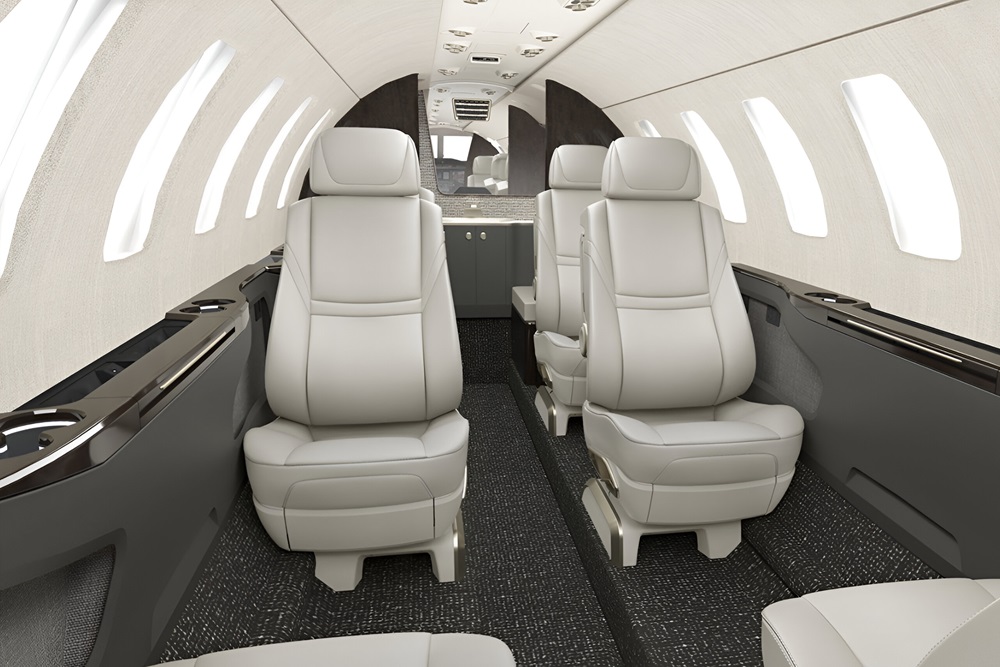
Spacious Cabins for Comfortable Travel
When it comes to cabin space, light jets offer a more spacious interior that can comfortably accommodate up to 6-8 passengers, depending on the specific aircraft model and configuration. For example, the Cessna Citation CJ4 seats up to 7 passengers with 77 cubic feet of cargo capacity. In contrast, turboprop planes generally have smaller cabins and less cargo room. The Pilatus PC-12 has seating for 6 passengers and 40 cubic feet of internal baggage space.
Versatile Seating and Cargo Options
Turboprop aircraft are designed with versatile seating arrangements that can comfortably seat up to 11 passengers. Some turboprop seats can also be removed for storing extra cargo. This flexibility allows for more luggage space when needed, making turboprops a practical choice for trips requiring extra baggage capacity.
Comfort and Noise Reduction
While turboprops have smaller cabins, they have been engineered with advanced noise-reduction technology, providing a comfortable ride for passengers. Recent advancements have also been made in noise dampening for jet engines and cabins, making the interior of jets quieter. However, externally, turboprops produce less noise and are more suitable for noise-sensitive areas.
Smooth Flying Experience
The spacious, comfortable cabins of jets provide a smooth ride at high altitudes, as they can fly above most weather systems, ensuring a pleasant flying experience. Modern turboprop designs have also focused on cabin comfort despite their generally smaller sizes, offering noise reduction and amenities for passengers.
When deciding between a light jet charter and a turboprop charter, cabin space and passenger capacity should be carefully considered based on the specific needs of your itinerary.
Range and Runway Considerations for Light Jets and Turboprops
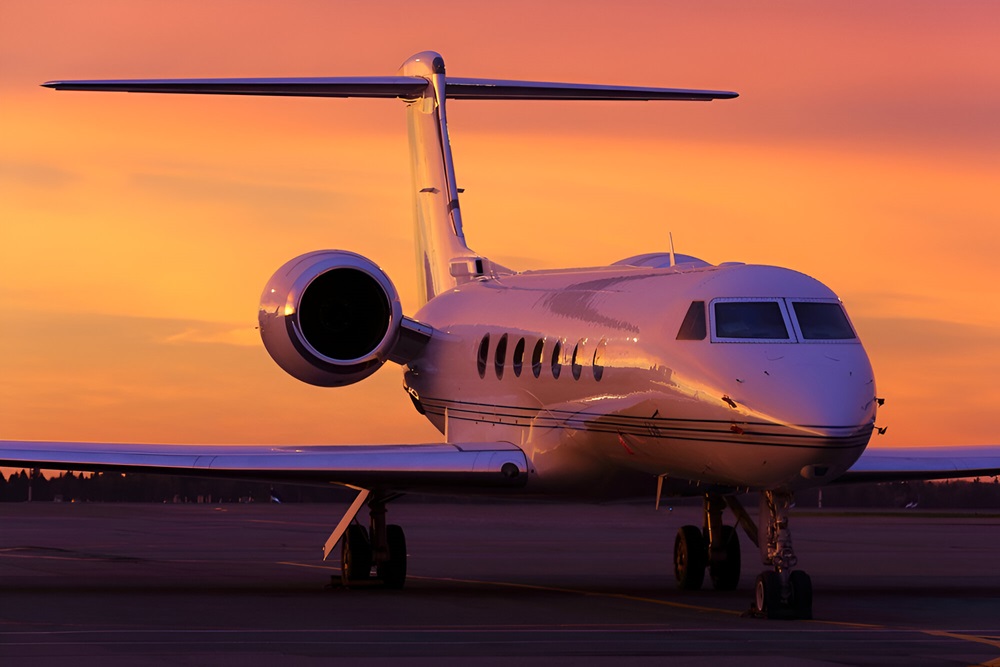
Runway Requirements
One key difference between light jets and turboprop aircraft is their runway length requirements. Turboprops generally need shorter runways for safe takeoff and landing compared to light jets. Most light jets and turboprops require around 2,800 feet of runway at sea level. However, for every 2,000 feet increase in elevation, an additional 1,000 feet is needed.
This allows turboprops to access smaller airports closer to destinations, often with runways as short as 3,200 feet. Factors like aircraft weight, temperature, and elevation determine the precise runway length required.
Range Capabilities
In terms of range, light jets hold a distinct advantage over turboprops. The Cessna Citation CJ4 light jet has a maximum range of nearly 2,200 miles, while the Pilatus PC-12 turboprop tops out at 1,800 miles. Many light jets can fly over 2,400 miles non-stop.
Turboprops are designed for shorter flights, with most capped at around 1,500 miles according to GreatFlight. Their slower cruise speeds and lower altitudes provide greater fuel efficiency for trips under 2 hours, but limit their overall range compared to jet aircraft.
Balancing Needs
Ultimately, the choice between a light jet or turboprop depends on balancing your range requirements with runway access needs. Turboprops excel for short hops from smaller airports, while light jets are better suited for longer non-stop flights from major airports. Carefully considering aircraft specifications and your route is crucial to determine the optimal option.
Cargo Space Differences Between Light Jets and Turboprops
Versatile Turboprop Cabin Layouts
One key advantage turboprops offer is their versatile cabin configurations. Many turboprop models allow for seats to be removed, creating additional space to accommodate more cargo and baggage. While both turboprops and light jets typically provide 40-70 cubic feet of baggage capacity, the ability to reconfigure turboprop cabins gives them an edge for hauling larger or unusually-shaped items.
Comparable Payload Capacities
Despite perceptions, light jets can actually carry payloads comparable to turboprops once you account for how specifications are calculated. As this analysis highlights, a turboprop may list 895 lbs of payload but exclude the pilot's weight, while a jet's 600 lb payload includes the pilot. Making apples-to-apples comparisons, the jet could effectively carry 800 lbs - much closer to the turboprop.
Larger Jets Offer Greater Cargo Room
For those requiring maximum cargo capacity, larger cabin jets are the better choice. Very light jets like the Embraer Phenom 100 have useful loads over 3,300 lbs, while heavy jets can accommodate around 200 cubic feet of baggage space. Turboprops are more limited, with the capable Pilatus PC-12 offering just 2,257 lbs of useful load.
Purpose-Built for Cargo Hauling
Many turboprop aircraft are specifically designed to prioritize cargo over cabin amenities. Models like the King Air feature a large cargo door, versatile cabin layouts allowing passengers and freight together, and more cubic feet dedicated to storage compared to light jets. While jets offer sufficient space for light travel, turboprops are better suited for heavier cargo needs.
Light Jet Charter Costs & Basic Info
Other Cost Factors
Beyond the hourly flight time, several other factors influence the overall light jet charter pricing:
- Flight Distance: Longer flights mean more billable hours, increasing costs proportionately.
- Passenger Count: Heavier loads require more fuel burn, potentially increasing costs slightly.
- Travel Times: Peak demand periods like holidays can spike charter rates.
- Extras: Catering, ground transport, and other services incur additional charges.
Charter a Light Jet for Business or Leisure
Compact Yet Comfortable
Chartering a light jet offers an ideal balance between size and luxury for shorter business or leisure trips. These compact aircraft, like the Hawker 400XP, Citation Bravo or Lear 35, typically accommodate up to 6-8 passengers in a comfortable cabin. You'll enjoy amenities like an enclosed lavatory while still having the flexibility to access smaller airports bypassed by commercial airlines.
Seamless Travel Experience
One of the biggest draws of light jet charters is the seamless, stress-free travel experience. You can skip crowded commercial terminals and avoid disruptions like layovers or missed connections. Privacy and discretion are assured whether flying for an important business meeting or leisure getaway.
Cost-Effective Luxury
Aside from range and runway considerations, cost is a key difference between light jets and turboprop charters. Light jets provide luxurious accommodations at relatively lower pricing compared to larger aircraft. For many short to medium-range missions, they offer an affordable taste of private air travel.
Trip Versatility
Whether zipping between regional offices or jetting off to an island beach resort, light jets enable efficient travel tailored to your needs. Their performance makes activities-based getaways in locations like Queenstown, New Zealand or Costa Rica a reality. You'll arrive refreshed and ready for outdoor adventures or business negotiations alike.
Choosing Between a Light Jet and a Turboprop for Your Trip
Conclusion
As you weigh your options between a light jet and turboprop charter, consider your specific travel needs, budget, and preferences. Both aircraft types offer distinct advantages, and the right choice depends on your unique circumstances. Remember to factor in performance capabilities, cabin comfort, cost considerations, and airport accessibility when making your decision.
By carefully evaluating these aspects, you can select the aircraft that best aligns with your travel requirements, ensuring a seamless and enjoyable private aviation experience. Ultimately, whether you choose a light jet or turboprop, you'll benefit from the convenience, flexibility, and luxury that private air travel provides. Are you interested in finding an exact price for your upcoming trip? Call +1 (800) 257-5661 for a custom itinerary and quote. Book Now