Private jet charter has evolved from an ultra-exclusive luxury reserved for celebrities and Fortune 500 CEOs into a practical travel solution for business executives, families, and anyone who values their time. But the question everyone asks first is: how much does it actually cost to charter a private jet in 2026?
The short answer: private jet charter rates range from $2,900 per hour for a turboprop to $16,000+ per hour for an ultra-long-range jet. However, the total cost depends on several factors including aircraft type, flight distance, fuel surcharges, and additional services.
Understanding Private Jet Charter Pricing in 2026
Unlike commercial airfare with fixed ticket prices, private jet charter pricing operates on an hourly rate model. You're essentially renting the entire aircraft, crew, and service for a specific time period.
2026 Hourly Rates by Aircraft Category
| Aircraft Category | Passenger Capacity | Hourly Rate Range | Best For |
|---|---|---|---|
| Turboprop | 6-8 passengers | $2,900 - $3,500 | Short flights under 500 miles |
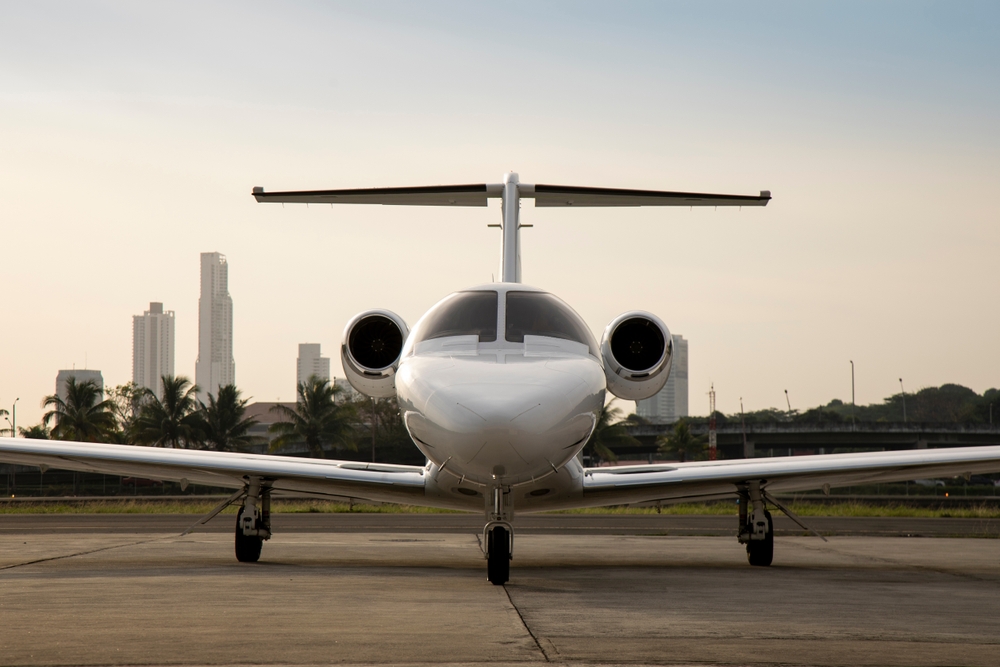
| Light Jet | 6-8 passengers | $3,200 - $4,500 | Regional trips, 1-3 hour flights |
| Midsize Jet | 7-9 passengers | $5,000 - $7,500 | Cross-country flights, 3-5 hours |
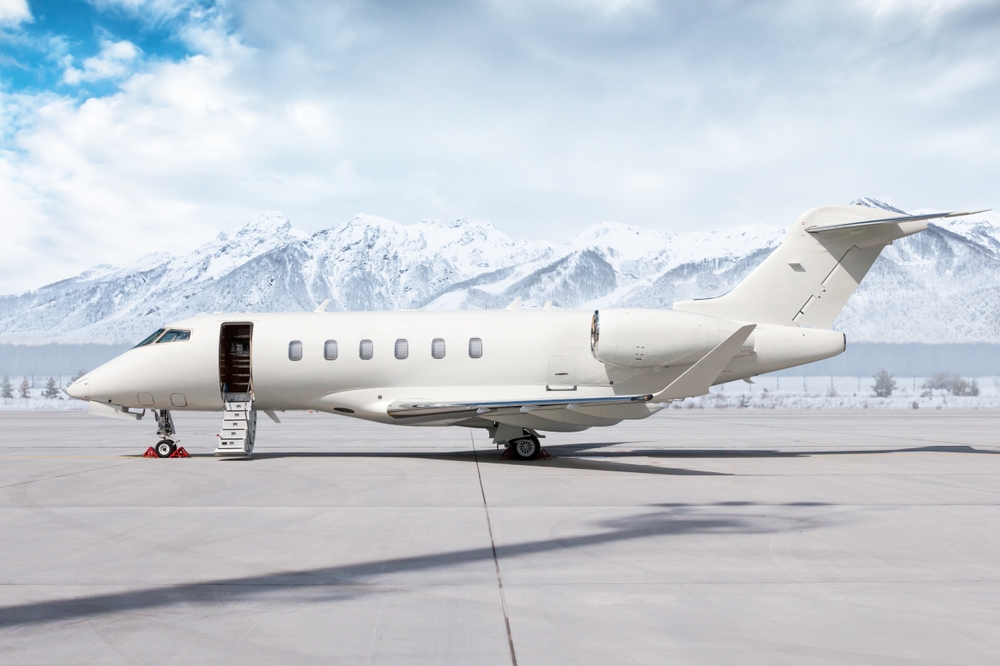
| Super Midsize Jet | 8-10 passengers | $6,500 - $9,000 | Transcontinental, 4-6 hours |
| Heavy Jet | 10-16 passengers | $8,500 - $12,000 | Long-range, international flights |
| Ultra-Long-Range Jet | 12-19 passengers | $12,000 - $16,000+ | Intercontinental, non-stop global travel |
These rates reflect 2026 market conditions including elevated fuel costs and increased demand driven by business travel recovery. For more details on specific aircraft, visit our complete fleet page.
What's Included in Your Charter Rate?
Your hourly charter rate covers the core flight operation:
- Aircraft rental for the specified flight time
- Experienced flight crew (pilot, co-pilot, and flight attendant on larger aircraft)
- Standard catering (light snacks, beverages, soft drinks)
- Basic ground transportation coordination
- Standard insurance coverage
- Flight planning and navigation services
Learn more about what makes our service exceptional in our guide on how to charter a private jet in 2026.
Additional Costs to Budget For
Beyond the hourly rate, several variable costs affect your total charter price:
Fuel Surcharges (10-15% in 2026)
With jet fuel averaging $3.99 per gallon in 2026, most charter operators apply a fuel surcharge of 10-15% on top of the base hourly rate. On a $6,000/hour midsize jet charter, expect an additional $600-$900 in fuel surcharges. Read more about jet fuel costs for private jets.
Federal Excise Tax (7.5%)
The FET applies to all domestic private jet flights in the United States. This adds 7.5% to your total charter cost. On a $30,000 charter, that's an additional $2,250.
Segment Fees ($4.50 per person, per segment)
For domestic US flights, the IRS charges $4.50 per person for each takeoff and landing.
Repositioning Fees
If your departure airport isn't where the aircraft is currently located, you'll pay for "repositioning" or "ferry" flights to bring the aircraft to you. These are charged at the same hourly rate as your actual flight.
Pro tip: Ask about empty leg flights to avoid repositioning costs entirely.
Landing and Handling Fees
Airports charge landing fees (typically $150-$500) and FBO (Fixed-Base Operator) handling fees ($200-$800) depending on the airport and aircraft size. International airports and premium FBOs charge higher fees. Learn more about private FBO terminals.
Overnight and Crew Expenses
If your trip requires the crew to stay overnight, you'll cover hotel accommodations ($200-$400 per night per crew member) and daily expense allowances ($75-$150 per day).
De-Icing (Winter Operations)
Winter flights from northern airports may require aircraft de-icing services, adding $1,500-$5,000 depending on aircraft size and severity of weather conditions.
Premium Catering
While standard catering is included, premium requests cost extra:
- Gourmet catering: $100-$500 per person
- Premium alcohol and champagne: $200-$1,000+
- Specialty dietary requirements: Variable pricing
Ground Transportation
Luxury ground transportation (limousine, SUV, or exotic car service) at departure or arrival typically costs $150-$500 depending on distance and vehicle type.
Real-World Pricing Examples
Let's break down actual charter costs for popular routes in 2026:
New York (Teterboro) to Miami (Opa-locka)
- Flight time: 2.5 hours
- Aircraft: Citation Excel (Light Jet)
- Base rate: $4,000/hour × 2.5 hours = $10,000
- Fuel surcharge (12%): $1,200
- FET (7.5%): $840
- Landing/handling fees: $800
- Segment fees: $36 (4 passengers × 2 segments)
- Total one-way cost: $12,876 ($3,219 per person for 4 passengers)
Los Angeles (Van Nuys) to New York (Teterboro)
- Flight time: 5 hours
- Aircraft: Challenger 350 (Super Midsize)
- Base rate: $7,500/hour × 5 hours = $37,500
- Fuel surcharge (12%): $4,500
- FET (7.5%): $3,150
- Landing/handling fees: $1,200
- Catering upgrade: $600
- Segment fees: $72 (8 passengers × 2 segments)
- Total one-way cost: $47,022 ($5,878 per person for 8 passengers)
Miami to London (Luton)
- Flight time: 8.5 hours
- Aircraft: Gulfstream G650 (Ultra-Long-Range)
- Base rate: $14,000/hour × 8.5 hours = $119,000
- Fuel surcharge (15%): $17,850
- International handling fees: $3,500
- Customs/immigration fees: $800
- Premium catering for 12: $2,400
- Crew overnight in London (2 nights): $1,200
- Total one-way cost: $144,750 ($12,063 per person for 12 passengers)
How to Get the Best Private Jet Charter Pricing
1. Book Empty Leg Flights
Empty legs occur when an aircraft needs to reposition for its next charter or return to its home base. These one-way flights are often discounted 40-75% off regular charter rates. The trade-off is limited flexibility on dates and routes. Learn more in our empty leg flights guide.
2. Choose the Right-Sized Aircraft
Don't pay for capacity you won't use. A light jet for 4 passengers costs $4,000/hour while a midsize jet for the same passengers costs $6,500/hour. That's a $2,500/hour difference that adds up quickly on longer flights.
3. Fly Midweek
Friday afternoons and Sunday evenings command premium pricing due to high demand. Tuesday and Wednesday flights typically cost 15-20% less.
4. Book Round-Trip When Possible
Round-trip bookings eliminate repositioning fees and often qualify for 5-10% discounts as operators prefer to maximize aircraft utilization.
5. Avoid Peak Travel Seasons
Thanksgiving week, Christmas/New Year's, spring break, and major sporting events (Super Bowl, Kentucky Derby, Monaco Grand Prix) can increase charter rates by 20-40% due to surge pricing.
6. Consider On-Demand Charter
If you fly 25+ hours annually, on-demand programs provide flexibility without the commitment of ownership or memberships. Learn about our membership-free options.
Comparing Charter Costs to Ownership
Many first-time charter clients wonder if they should buy a fractional share or whole aircraft instead. Here's the reality:
Whole aircraft ownership for a midsize jet costs:
- Purchase price: $15-25 million
- Annual operating costs: $1.5-2.5 million
- Crew salaries: $400,000-600,000/year
- Hangar, insurance, maintenance: $500,000-800,000/year
Break-even point for ownership typically occurs at 300-400 flight hours per year. Below that threshold, on-demand charter is significantly more cost-effective. Read our detailed comparison: charter vs ownership.
Fractional ownership (like NetJets) requires:
- Upfront share purchase: $500,000-$5 million depending on fraction size
- Monthly management fees: $10,000-$50,000
- Occupied hourly rates: $5,000-$12,000 (on top of management fees)
Fractional programs make economic sense at 150-250 flight hours per year but lack the flexibility and aircraft variety of on-demand charter.
2026 Market Factors Affecting Pricing
Several industry dynamics are influencing private jet charter costs in 2026:
Business Travel Dominance
Corporate travel now drives 60% of private jet demand, up from 45% pre-pandemic. Companies are prioritizing executive productivity and safety, creating sustained high demand that supports elevated pricing. Learn more about corporate charter benefits.
Fuel Cost Pressures
Jet-A fuel prices averaging $3.99/gallon in early 2026 (up from $3.20 in 2024) have forced operators to implement fuel surcharges rather than absorb the increased cost.
Pilot Shortage
The industry-wide pilot shortage continues to affect aircraft availability and operational costs, particularly for smaller operators who struggle to compete with airline pilot salaries.
Fleet Normalization
After pandemic-era fleet expansion, the charter market has normalized with better supply-demand balance. This has stabilized pricing compared to the 2021-2023 surge pricing period.
Why Haute Jets Offers Better Value
At Haute Jets, we eliminate the markups charged by traditional charter brokers through direct owner relationships:
- Owner-direct pricing with no broker commissions
- No membership fees or annual commitments required
- No jet card deposits - pay only when you fly
- Access to 3,500+ aircraft across 170 countries ensures competitive pricing
- 4-hour response time even for last-minute bookings
- Transparent pricing with all fees disclosed upfront
Our clients typically save 15-25% compared to traditional charter brokers while receiving the same safety standards (all aircraft are Argus or Wyvern certified) and white-glove service.
Getting Your Personalized Quote
Every private jet charter is unique based on your specific requirements:
- Route and distance
- Number of passengers
- Aircraft preferences
- Date flexibility
- Special requests (pets, oversized luggage, specific catering)
- Ground transportation needs
The only way to get accurate pricing is to request a personalized quote from a charter specialist who can access real-time aircraft availability and current market rates.
Our charter advisors respond within 1 hour during business hours (often faster) with 2-3 aircraft options at different price points, giving you the flexibility to choose the best value for your specific trip.
Final Thoughts: Is Private Jet Charter Worth the Cost?
For the right traveler, private aviation delivers value that far exceeds the cost premium over first-class commercial:
- Time savings: Fly on your schedule, use local airports 10 minutes from home, skip security lines, and eliminate layovers
- Productivity: Conduct confidential meetings, work without interruption, or simply rest in complete privacy
- Flexibility: Change departure times, add stops, or modify routes up to the last minute
- Safety: Argus and Wyvern certified operators with experienced crews and meticulously maintained aircraft
- Experience: The luxury, comfort, and service quality simply cannot be replicated in commercial aviation
In 2026, private jet charter starts at approximately $3,000/hour and scales to $16,000+/hour for the largest aircraft. With transparent pricing and no membership requirements, on-demand charter through Haute Jets offers the most flexible and cost-effective access to private aviation.
Ready to experience the difference? Get your personalized quote today and discover why thousands of discerning travelers choose Haute Jets for on-demand luxury flight.
Related Articles:
- How Much Does a Private Jet Charter Flight Cost?
- Calculating Private Jet Cost Per Hour
- Costs and Benefits of Chartering a Private Jet
- Private Jet vs First Class
Last updated: April 2026 | Haute Jets | Private Jet Charter Without Membership Fees
Frequently Asked Questions
How much does it cost to charter a private jet per hour in 2026?
Hourly rates in 2026 typically range from $2,500–$3,500/hr for turboprops, $3,500–$5,500/hr for light jets, $5,500–$7,500/hr for midsize jets, $7,500–$10,000/hr for super-midsize jets, $9,500–$13,000/hr for heavy jets, and $13,000–$20,000+/hr for ultra-long-range jets. The all-in cost of a charter is the hourly rate multiplied by flight time, plus fuel surcharge, federal excise tax (7.5%), segment fees, landing and FBO fees, and any catering or ground handling. A reliable rule of thumb: budget roughly 1.4×–1.6× the headline hourly rate for the all-in trip cost on most domestic itineraries.
What factors affect private jet charter pricing the most?
The five biggest cost drivers are: (1) aircraft category — a heavy jet costs roughly 3× a light jet per hour; (2) flight time, including any repositioning legs the operator has to fly empty to reach you; (3) one-way vs. round-trip routing — round-trips are usually more efficient because the aircraft doesn't need to reposition home; (4) seasonality and peak dates — Thanksgiving, Christmas, July 4, Art Basel, Super Bowl, and the Masters can carry a 15–35% premium; and (5) airport fees, particularly international handling, overnight crew costs, and slot-controlled airports like Aspen or Teterboro.
Are there hidden fees I should know about?
Reputable charter operators don't hide fees, but a quote should always itemize them so there are no surprises. Standard line items beyond the base hourly rate include: 7.5% federal excise tax (FET), segment fees (currently $5.20 per passenger per leg), fuel surcharge (varies with jet fuel pricing), international handling and overflight permits where applicable, de-icing in winter, FBO ramp and overnight fees, catering, and ground transportation if arranged through the operator. At Haute Jets, every quote is fully itemized — what you see is what you pay.
Is private jet charter cheaper than first-class commercial for groups?
For groups of four or more flying internationally in first class, private charter often comes within striking distance of — and occasionally undercuts — total commercial spend, especially on transatlantic and transpacific routes where international first-class fares run $10,000–$25,000 per seat. For domestic first-class, commercial is almost always cheaper on a per-seat basis, but private charter wins on time savings (no TSA, no connections, departures from secondary airports), schedule control, and the ability to add passengers without paying per seat. The break-even point depends heavily on group size and route.
How can I reduce the cost of chartering a private jet?
The five most effective ways to lower charter spend: (1) book empty leg flights — aircraft repositioning between trips, often discounted 25–75%; (2) be flexible on aircraft category — a light jet at $4,000/hr completes most 2-hour domestic missions just as well as a midsize at $6,500/hr; (3) prefer round-trip routing over one-way to avoid repositioning costs; (4) avoid slot-controlled and high-demand airports during peak weeks if you have flexibility; and (5) book early — last-minute charters during peak periods can carry significant premiums, while last-minute on quiet days can actually be discounted.